The Euphrates River glimmered beneath the slivery moonlit sky. The gentle hum of the water masked the whisper of desert winds that swept across the ancient city of Babylon. It was a sprawling metropolis, with its enormous ziggurats piercing the heavens and its walls towering defiantly against the night. But on this night in 539 BC, Babylon was a city shrouded in tension, its fate hanging by a thread. As dawn approached, an unprecedented event was set to unfold, unlike anything imagined in the annals of conquest.
The Strategist's Deception
The Achaemenid Persian Empire, under the rule of Cyrus the Great, was on Babylon’s doorstep. In the cool desert breeze, the echoes of his empire's stampede reverberated, as horsemen and foot soldiers readied themselves just beyond Babylon’s immense fortifications. Yet, amidst the anticipation of siege warfare, a curious plan was afoot. Instead of force, Cyrus chose strategy and surprise to conquer. The tale whispered among historians is that Gobrias, a defector and one of Cyrus’s trusted generals, played a pivotal role in what happened next.
Gobrias was intimately familiar with Babylon's defenses and laid the groundwork for an extraordinary gambit. Leveraging his knowledge, Cyrus’s forces had earlier diverted the Euphrates River, lowering it enough to allow the Persian army to silently infiltrate the city via the river bed. As dawn broke and the Babylonians went about their morning rituals, unaware, Gobrias and his men had already positioned themselves deep within the walls. The city's gates opened not with the clamour of war, but with a gentle push, as if welcoming long-awaited guests.
This coup was nothing short of miraculous, an audacious chess move where bloodshed was not the key to victory. The Babylonian nobles and their despot ruler, Nabonidus, were caught unawares, and within a breath, the city was under Persian control. But Cyrus had promised more than conquest; he promised liberation.
The Proclamation of Freedom
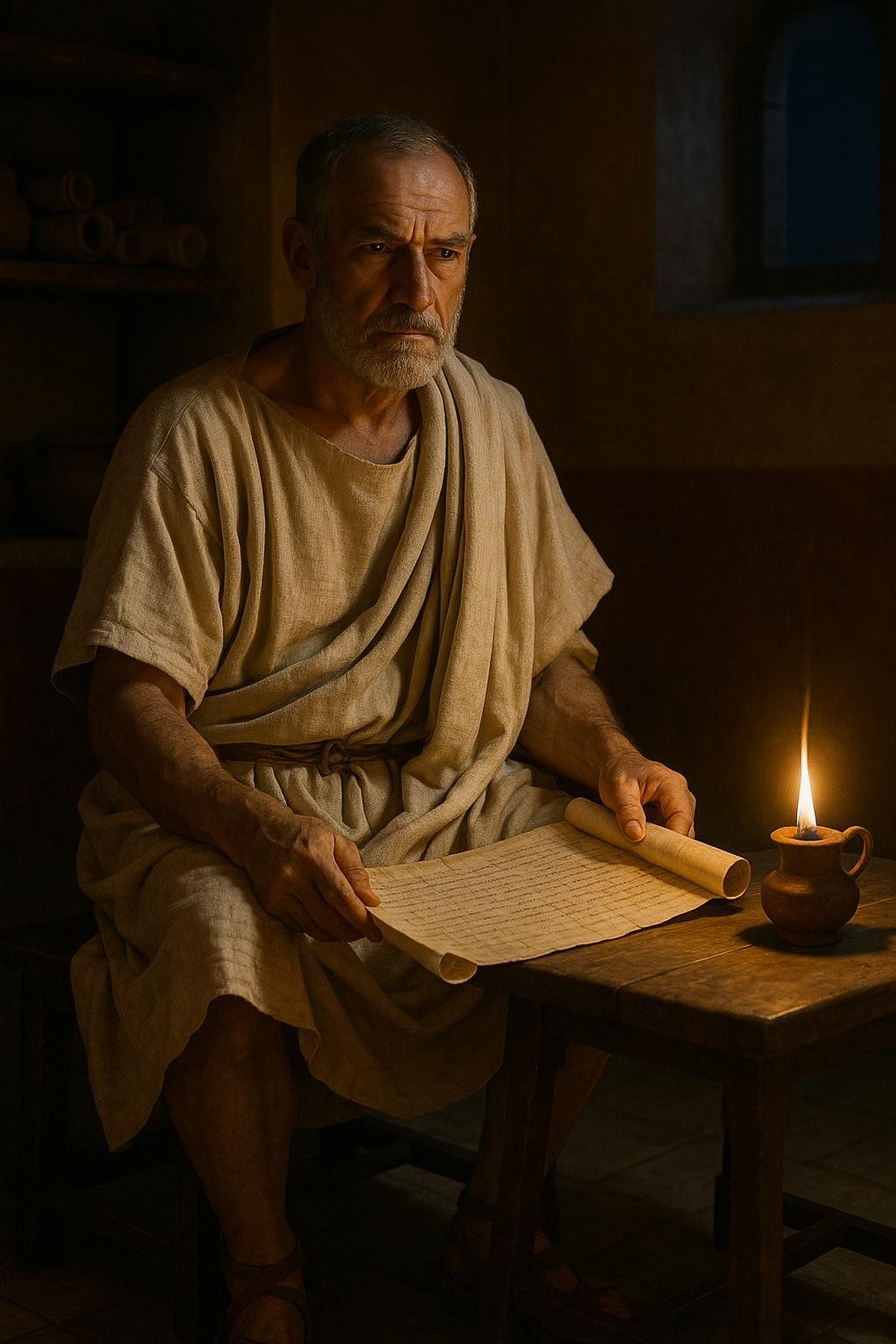
For the Jewish captives of Babylon, this day was one of divine providence. Fifty years had they languished in exile, their voices lifted in lament by the rivers of Babylon, longing for a home they were torn from by Nebuchadnezzar. Yet, Cyrus the Great, arguably influenced by nuanced respect for the diverse cultures of his empire, saw fit to dictate not a message of domination, but one of emancipation.
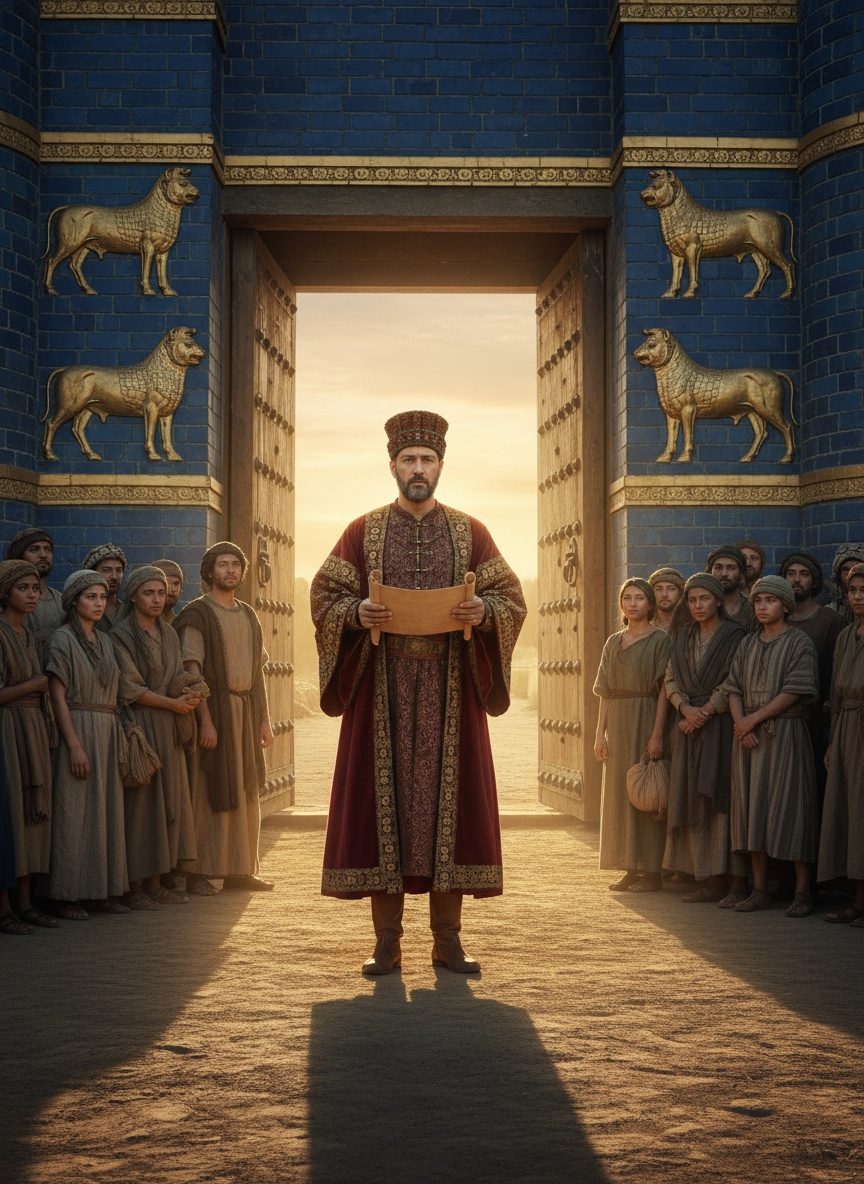
The Cyrus Cylinder, often hailed as the world's first charter of human rights, recorded this edict. It proclaimed that the exiled peoples taken by the Babylonians could return to their native lands, rebuild their temples, and restore their lives and customs. For the Jews, it was a passage to Jerusalem—a journey both spiritual and physical. No longer were they to remain captives in a land of foreign gods and customs, but seekers of a renewed covenant with their deity.
This magnanimous decree set a precedent in the ancient world. Where once war was the language of kings, Cyrus spoke with the voice of compassion and pragmatism. His policy was as much strategic as it was humane, earning him the admiration not just of subjects, but of posterity itself.
A New Dawn Over an Ancient Land
As the sun's rays descended onto the revitalized empire, the sight was unimaginable. Caravans laden with families, livestock, and sacred relics wound their way across the Babylonian plains, dragging hope and resilience back to a home once left behind. Over shadowy horizons, these pilgrims saw not just the promise of return, but the dawn of peace instituted by an unlikely liberator.
The echoes of Cyrus's decree reverberated far beyond the immediate. It marked a moment where power took on a veneer of enlightenment—a recognition that the greatness of an empire was measured not just in its conquests, but in its ability to foster coexistence. His reign signaled the forging of a multi-ethnic empire where mutual respect was the order of the day.
This epochal moment resonates even now, casting light on a historical narrative often overshadowed by tales of war and subjugation. It challenges us to reconsider the facets of power, the potential of a shared human ethos, and the capacity for one man's vision to change the course of history. Cyrus’s legacy, bathed in the golden glow of the Oriental sun, is a testament to the symphony of humanity—where liberation, justice, and mercy merge into a single, enduring note.