65 AD. The atmosphere in Rome crackled with the tension of suppressed fear. The grandeur of the imperial palace was overshadowed by the brooding presence of the emperor himself, Nero. His reign had reached a point where paranoia gnawed at any semblance of peace, driven by whispers of conspiracy and sedition. For philosophers in particular, the threat was not merely an abstract idea but a tangible reality.
Standing Tall Amidst a Storm
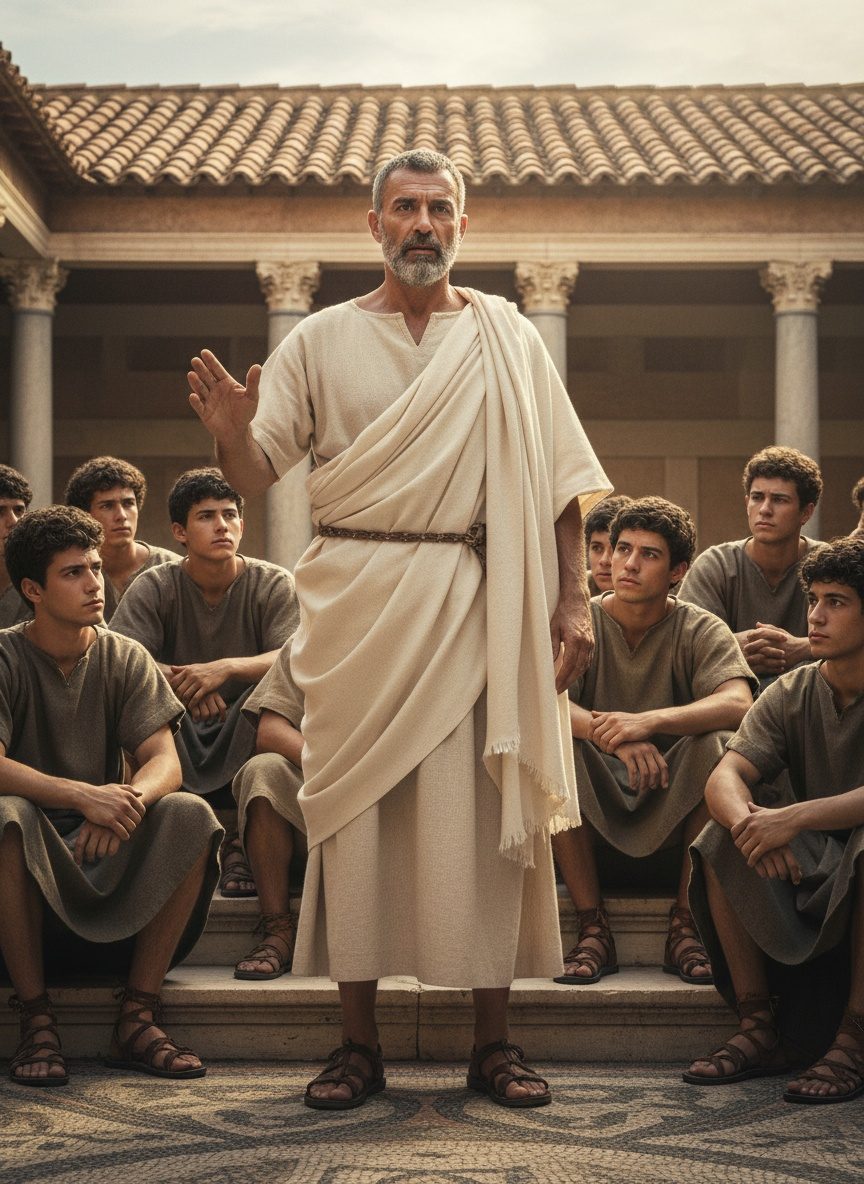
Nero's purges were swift and ruthless, targeting those who dared to promote independent thought. The intellectual elite, particularly philosophers, were scrutinized heavily, suspect in the emperor's eyes. It was against this ominous backdrop that Gaius Musonius Rufus, a Stoic noted for his unwavering principles, emerged as a symbol of defiance. Unlike many of his contemporaries who sought safety in retreat, Musonius stood resolute, proceeding with his teachings with a calm determination that belied the danger of his actions.
Musonius Rufus was no stranger to adversity. His philosophy, deeply rooted in Stoicism, advocated for virtue as the sole good, independent of external circumstances. For him, the teachings of Stoicism were a moral compass that guided his response to the turbulence of Nero’s reign. His lectures, which attracted followers from all walks of life, were filled with notions of enduring hardship with dignity — a belief he would be forced to embody in the years to come.
Exile on Windswept Shores
The first exile came as no surprise. Musonius had irked Nero enough to be banished to a remote island — a barren land surrounded by the merciless expanse of the sea. Yet, even the harsh isolation could not silence his voice. To Musonius, the desolation was not a prison but a stage from which he continued to teach those who sought him out. Envisioning the rocky shores covered with students eager for wisdom paints a picture of remarkable devotion — both by the philosopher and his followers.
In these surroundings, where many would break under pressure, Musonius flourished. He encouraged physical labor as a form of discipline, holding that the rigors of manual work were integral to maintaining one’s virtues. This advice, imparted with an almost serene composure, resonated with his audience, sowing seeds of Stoic philosophy that would outlast the tumultuous times.
The Return of the Philosopher
When Nero’s rule crumbled and the emperor met his demise, the once imposing restraints against philosophers loosened. Musonius made his return to Rome, resurrecting his formidable presence in the philosophical landscape of the city. Far from discouraged, he resumed his teachings with renewed vigor, emphasizing resilience and the stoic acceptance of fate — lessons hard-earned through experience.
His ability to step back into his role was nothing short of extraordinary. Musonius’s return highlighted not only his personal fortitude but also the enduring allure of Stoicism, offering a balm to those weary of political turmoil. The philosopher’s reemergence in the capital mirrored Rome’s own cyclical nature of chaos and renewal, and his presence served as a reminder of the intellectual spirit that refused to be extinguished.
Students of a Timeless Doctrine
The influence of Gaius Musonius Rufus spread far beyond his immediate circle. Among his most notable students was Epictetus, who would go on to become one of the major proponents of Stoic philosophy, ensuring that the teachings of Musonius permeated through generations. The vision of these eager learners, hanging on every word of a man who lived his teachings, forms a vivid tableau of dedication to knowledge and personal growth.
Musonius’s ideas, painstakingly imparted under threat of persecution, emphasized practical Stoicism. He urged his followers to integrate philosophy into daily life, promoting a blend of ethical reflection and action that was revolutionary for its time. His teachings encouraged self-control, courage, and rationality, qualities that future Roman leaders and thinkers would often reference in the halls of power and academia.
The Unyielding Spirit of Stoicism
In examining the life of Gaius Musonius Rufus, one finds more than just a narrative of exile and return. His story weaves a tapestry of resilience, philosophy, and the human spirit's unyielding capacity for endurance amid adversity. The commitment Musonius had to his principles, manifested through his public teachings and personal conduct, captured a way of life that resonated throughout history.
Why should we care about a philosopher who defied an emperor almost two millennia ago? Because, much like the Stoics believed, the core tenets of Musonius’s teachings reflect an enduring human condition: the search for virtue and wisdom in an often uncertain world. His story is a compelling reminder that in times of upheaval and fear, holding steadfast to one’s principles not only consoles but can inspire profound change and enduring influence. In Musonius Rufus, we find the eloquence of endurance personified, still whispering to us through the annals of time.