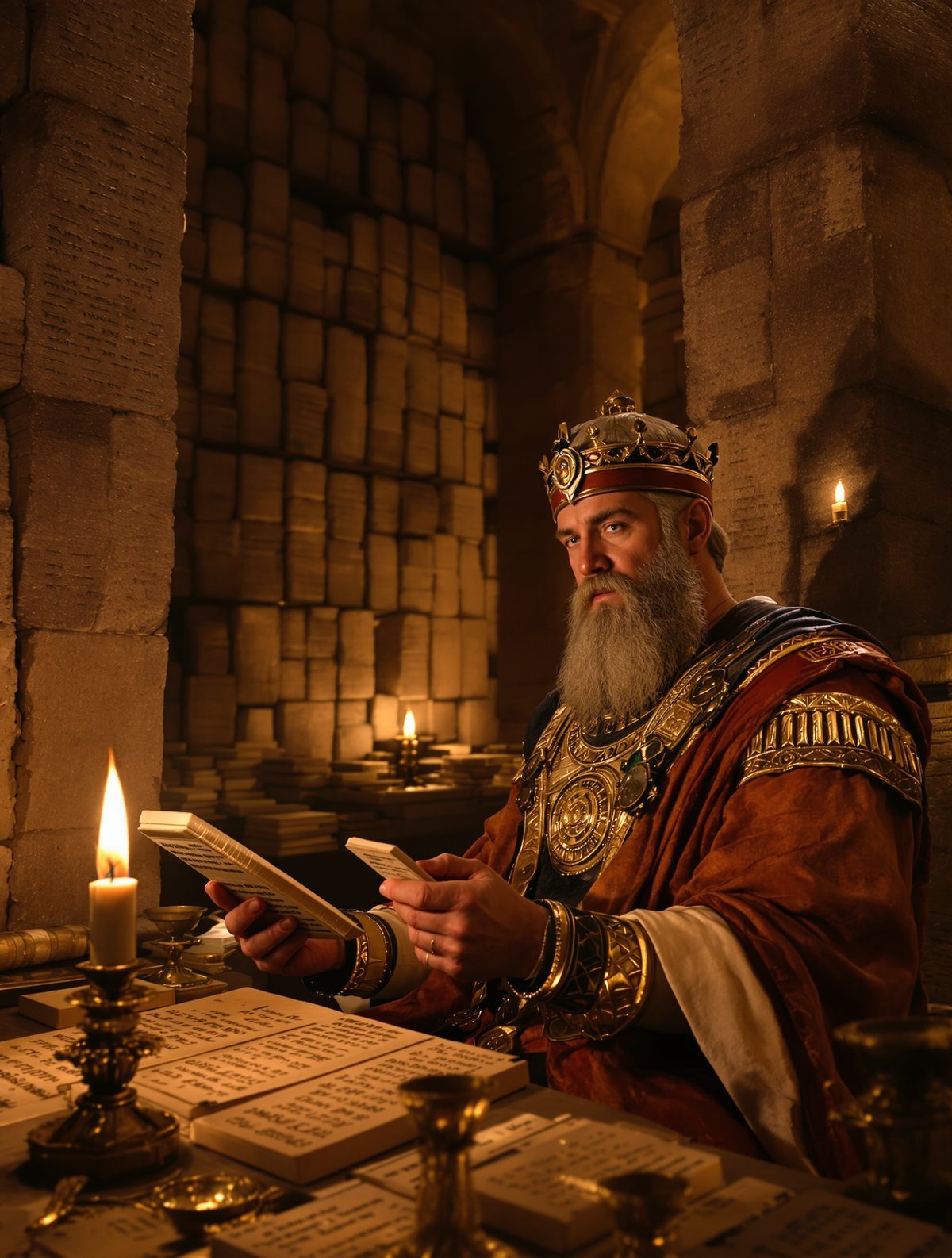
In the flickering candlelight of the imperial palace, Emperor Xuanzong of the Tang Dynasty gazed upon the most beautiful woman in China. Yang Guifei's silk robes rustled as she danced, her movements so graceful they seemed to bend reality itself. What the emperor didn't know—what he couldn't possibly foresee as he fell deeper into obsession—was that this moment of sublime beauty would ultimately cost 36 million Chinese lives. By 755 AD, his all-consuming love for his son's former wife would trigger the most devastating rebellion in human history, turning China's golden age into its darkest nightmare.
The Golden Emperor's Perfect World
For 44 years, Emperor Xuanzong had been the master of the known world. When he ascended the Dragon Throne in 712 AD, China was already magnificent, but under his rule, the Tang Dynasty became something approaching paradise on earth. The capital city of Chang'an swelled to over two million inhabitants, making it the largest city in the world—larger than Constantinople, Baghdad, and any European capital combined.
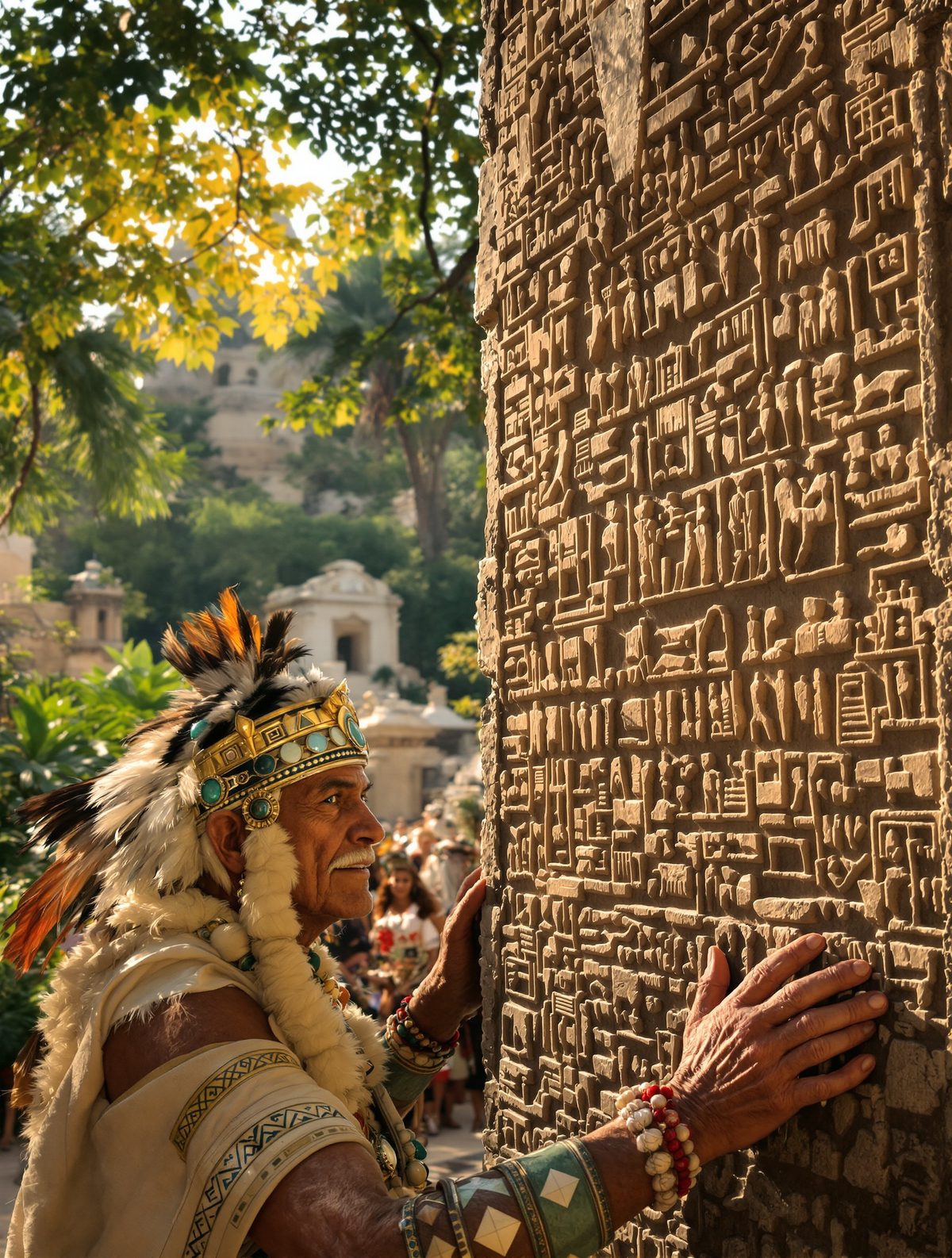
Picture the streets of Chang'an in 740 AD: Persian merchants hawked exotic spices alongside Korean diplomats in silk-trimmed robes, while Arab scholars debated philosophy with Chinese poets in wine houses that never closed. The city's 108 Buddhist temples rang with bells at dawn, while Zoroastrian fire temples and Christian churches served their own growing congregations. This wasn't just tolerance—it was celebration of diversity on a scale Europe wouldn't see for another thousand years.
Xuanzong himself embodied this golden age. A patron of the arts who could compose poetry with the best of the era's writers, he established the Imperial Academy of Music and personally choreographed court performances. The emperor's "Pear Garden" acting troupe became so famous that Chinese actors are still called "children of the pear garden" today. But here's what most history books won't tell you: Xuanzong was also an accomplished musician who played the jiegu drums with such skill that courtiers would weep at his performances.
The numbers tell the story of unprecedented prosperity. China's population had swollen to roughly 60 million people—the largest in the world. Tax revenues flowed like rivers from provinces that stretched from Korea to Vietnam. The imperial granaries bulged with surplus grain, while the treasury accumulated wealth that dwarfed the combined riches of all Western kingdoms.
When Beauty Became Obsession
Yang Guifei entered Xuanzong's life in 745 AD, but her arrival was anything but conventional. Born Yang Yuhuan, she had been married to the emperor's own son, Prince Shou. Court records describe her as possessing an almost supernatural beauty—"skin like white jade, lips like cherry blossoms, and a voice that could make birds pause in flight." But what truly captivated the 60-year-old emperor wasn't just her appearance; it was her intelligence, her musical ability, and her quick wit that could match his own.
The scandal was immediate and absolute. For the emperor to take his son's wife violated both Confucian ethics and basic human decency. To make it legally possible, Xuanzong forced his son to divorce Yang Yuhuan, then had her briefly become a Taoist nun before bringing her into his own harem as "Guifei"—the highest rank a concubine could achieve.
What happened next reveals the intoxicating power of obsession. The emperor who had once reviewed memorials until dawn and personally interviewed provincial governors began spending entire days in Yang Guifei's apartments. He commissioned a private hot spring resort at Mount Li where they could bathe together in pools carved from natural rock. When Yang Guifei expressed a desire for fresh lychee fruit—which grew only in the far south—Xuanzong established a relay system of horses to bring the fruit to her within days, still fresh and sweet.
The extravagance reached almost comic proportions. Yang Guifei's bathwater was scented with rare orchids. Her apartments contained mechanical birds that sang at her approach. The emperor even created a new dance called "The Rainbow Skirt and Feather Jacket" specifically for her performances. But the most telling detail? Xuanzong began missing morning court sessions—the sacred ritual where the emperor received reports and made decisions that affected millions of lives.
The Empire Fractures While Love Flourishes
As Xuanzong retreated into his romantic fantasy, the machinery of empire began to break down in ways both subtle and catastrophic. The most dangerous development was the rise of regional military commissioners called jiedushi. These provincial governors commanded their own armies and collected their own taxes, ostensibly to defend China's vast frontiers. In practice, they were becoming independent warlords.
The most powerful of these commissioners was An Lushan, a general of mixed Sogdian and Turkic heritage who controlled the northeastern frontier. Here's a fact that will surprise you: An Lushan was grotesquely obese—weighing over 330 pounds—but possessed such charisma and military genius that his soldiers would die for him without question. Even more shocking, Yang Guifei had "adopted" him as her son in a bizarre court ceremony, despite An Lushan being only three years younger than she was.
Contemporary sources describe An Lushan as a master manipulator who could be charming and crude in the same breath. He spoke six languages fluently and understood the intricate politics of the Silk Road better than any Chinese official. But beneath his jovial exterior, An Lushan was building the most formidable military force in East Asia. By 755 AD, he commanded over 200,000 battle-hardened troops who were more loyal to him than to the distant emperor.
Meanwhile, corruption flourished in the capital like a cancer. Yang Guifei's cousin, Yang Guozhong, had maneuvered himself into the position of chief minister despite having no administrative experience. His qualification was simple: he was family. Under his leadership, government posts were sold to the highest bidder, taxes were diverted to fund imperial luxuries, and competent officials were replaced with Yang family members and their cronies.
The Rebellion That Shattered the World
On December 16, 755 AD, An Lushan made his move. Claiming he was marching to rescue the emperor from corrupt officials (meaning Yang Guozhong), he led his army south from his base in modern-day Beijing. What followed was military conquest on a scale that defied belief.
An Lushan's forces moved like a hurricane across the North China Plain. City after city fell without resistance—not because the defenders were cowardly, but because they were completely unprepared. The Tang Dynasty's military had grown soft during decades of peace and prosperity. Many units existed only on paper, their salaries pocketed by corrupt officers. Those that did exist were scattered across the empire's vast frontiers, too far away to matter.
Within two months, An Lushan had captured Luoyang, the empire's eastern capital and second-largest city. By June 756 AD, his forces were approaching Chang'an itself. The speed of the collapse stunned everyone, including probably An Lushan himself. Contemporary accounts describe panic in the streets of Chang'an as rumors spread that the rebels were practicing mass executions and forcing noble families into slavery.
Xuanzong finally awakened from his romantic dream, but it was far too late. On July 14, 756 AD, as rebel scouts appeared on the horizon, the emperor fled his capital in the predawn darkness, accompanied by Yang Guifei and a handful of loyal guards. It was the first time in over 150 years that a Tang emperor had been forced to abandon Chang'an.
The Price of Love: 36 Million Lives
The flight from Chang'an became a nightmare journey that exposed the true cost of Xuanzong's obsession. At Mawei Station, about 60 miles west of the capital, the imperial guard mutinied. These were men who had served the dynasty faithfully for decades, but they had reached their breaking point. Their demand was simple and non-negotiable: Yang Guifei must die.
The scene at Mawei Station reveals the tragedy in all its human dimensions. Xuanzong, the all-powerful emperor who had once commanded the world's largest empire, found himself powerless to protect the woman he loved. Yang Guozhong was killed first, hacked to pieces by soldiers who blamed him for the disaster. Then they turned to Yang Guifei herself.
According to court records, Xuanzong begged his men to spare her life, offering to send her into exile instead. But the soldiers were implacable. They had watched their empire crumble while the emperor played at romance. Finally, with tears streaming down his face, Xuanzong gave the order. Yang Guifei was strangled with a silk cord in a Buddhist shrine, dying at age 38. The emperor would live another six years, but courtiers noted that he never smiled again.
The An Lushan Rebellion raged for eight brutal years, from 755 to 763 AD. What made it so devastating wasn't just the initial military conquest, but the complete breakdown of social order that followed. Famine stalked the land as farms were abandoned and irrigation systems collapsed. Plague spread through refugee camps and besieged cities. Bandits and warlords carved up the countryside into personal kingdoms ruled by violence alone.
The most shocking statistic comes from Tang Dynasty census records. In 755 AD, China's population was approximately 60 million. By 764 AD, it had fallen to just 24 million—a loss of 36 million people, or 60% of the entire population. Even accounting for refugees who fled beyond the reach of census takers, the death toll was unprecedented in human history. It wouldn't be matched until the 20th century's world wars.
The Golden Age Dies with a Whimper
The Tang Dynasty technically survived the An Lushan Rebellion, but it was a hollow victory. The empire that emerged from the chaos was a shadow of its former self, carved up between semi-independent military governors who paid only token allegiance to the emperor. The cosmopolitan tolerance that had made Chang'an the world's greatest city vanished, replaced by xenophobia and suspicion of foreigners.
Perhaps most tragically, the disaster was entirely preventable. If Xuanzong had remained focused on governance instead of romance, if he had recognized the growing threat of regional warlords, if he had appointed competent ministers instead of Yang Guifei's relatives—any of these decisions could have changed history.
Today, as we watch leaders around the world prioritize personal interests over public responsibility, Emperor Xuanzong's story resonates with uncomfortable familiarity. His tale reminds us that even the most successful civilizations can collapse when those in power lose sight of their duties. Love may be the most beautiful human emotion, but when it blinds us to our responsibilities, the consequences can echo through history for a thousand years.
The emperor who began his reign as the master of the world ended it as a broken old man who had lost everything—his empire, his people, and the woman he loved more than both. In Chinese literature, Xuanzong and Yang Guifei's story became the ultimate symbol of tragic romance. But for the 36 million people who paid with their lives, it was simply the ultimate symbol of power's deadly temptations.