The early morning fog hung low over the sprawling acres of Florin, California, as the first rays of sun battled through its dense embrace. The air was crisp, carrying the musk of freshly turned soil and distant blossoms. In those tranquil fields where the whisper of the wind was the only conversation, a silent crisis was unfolding. It was spring 1942, and as Japanese Americans packed their lives into suitcases, leaving their homes and farms behind, their world threatened to dissolve in the swell of war-fueled paranoia. But amidst the cacophony of fear and the impending void on their land, one man's resolve would ensure that these family farms would not become the footnotes of history.
A Man With A Mission
Bob Fletcher wasn't your typical hero. At the outset of World War II, he was a modest state agricultural inspector, whose life was a tapestry of routine and responsibility. Yet, when President Franklin D. Roosevelt signed Executive Order 9066, authorizing the forced relocation of Japanese Americans to internment camps, he saw the devastating consequences it would have on these families and their livelihoods. While most were swept up in the rising wave of wartime xenophobia, Fletcher's conscience tugged him in a different direction, urging him toward an unanticipated path of courage and compassion.
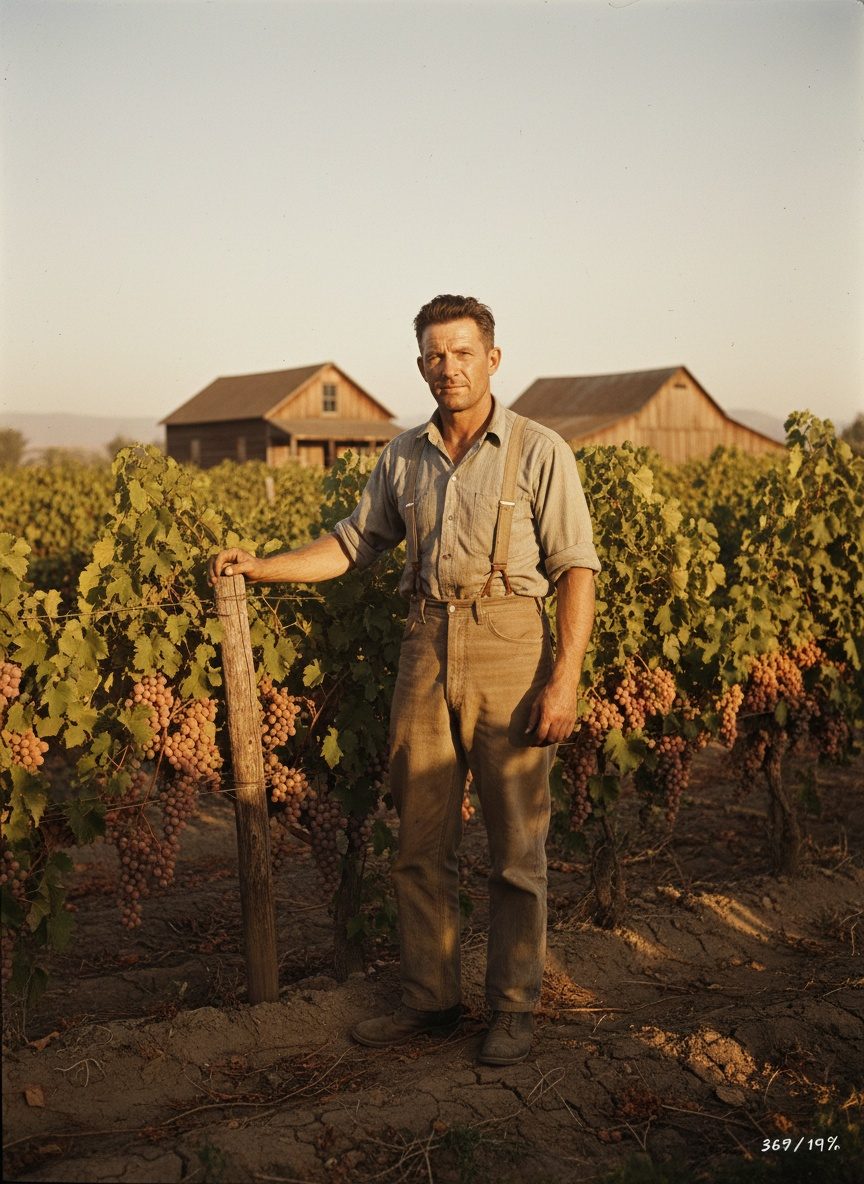
He resigned from his quiet state position, leaving the security of his inspector's badge behind. He took it upon himself to tend to the farms of three families who had been suddenly evicted from their homes. This decision sprouted not from grand ideals but from simple empathy — a seed nurtured by his disgust at the thought of good people losing everything they had worked for because of events far beyond their control. He knew firsthand the toil and sweat that farming demanded. Yet, quitting his job to run ninety acres of grape vineyards alone was unheard of, especially for a man unfamiliar with the intricacies of viticulture.
Every day began at the break of dawn and stretched deep into the night, as Fletcher undertook the Herculean task ahead. He wasn't merely maintaining the land; he poured life into every vine, every row of grapes. The tasks were unending, the demands of the fields relentless, and yet he persevered. His hands often bore the bruises and blisters of unyielding labor, all in the name of families he scarcely knew but deeply respected.
In addition to cultivating the physical land, Fletcher's stewardship extended to a realm of financial astuteness notoriously absent in similar situations across the country. Many farms abandoned through forced internment were lost forever to unpaid taxes, mortgages, and neglect. Yet over the years, Fletcher meticulously accounted for every cent earned from the harvests, depositing these earnings into accounts under the names of the displaced families. This safeguarded their future and deprived opportunists of exploiting their misfortune.
Against the Grain of Prejudice
Florin thrived silently with Fletcher as its steward, even when the morbidity of war was palpable around him. Society's paranoia drove deep wedges among communities, and suspicion grew like thorns in what were once harmonious fields. Bob Fletcher's work under the midday sun was illuminated by an outstanding resilience to these tensions, and his actions illuminated the shadows of bigotry with unparalleled integrity.
His choice was met with skepticism and disapproval by those who viewed the Japanese Americans with suspicion, but history has few narratives that illustrate such benevolence. While prejudice brewed, Fletcher's neighbors saw an indomitable spirit wielding plows and pitchforks with a purpose that went beyond harvest: The mission was to exorcise a prejudice that had no place in the idyllic tillage of California.
The Families Return
The clattering of a train braking at Florin station in 1945 marked an end to the families' exile as they began to return home from the internment camps. Thanks to Fletcher’s unwavering dedication and diligence, the Okamura, Nitta, and Tsukamoto families found their farms as thriving as when they had left them. Their homes were more than houses: they were symbols of endurance, polished and prepared, a stark contrast to the disarray so many others faced upon their return.
The success of Fletcher’s stewardship was a testament to the power of individual choice and the radical impact of empathy in times of despair. His selflessness preserved not merely the physical properties of these families but preserved their core, their autonomy, and their faith in humanity.
Tellingly, the value of this narrative is not shrouded in the heroics of grand battles or noteworthy politics, but in the often-overlooked and intimate stories of bravery lived out among vineyards and unyielding soil. Bob Fletcher’s actions present an irrefutable truth from our past: that injustice, when faced with integrity, cannot scatter seeds of division into fruitful lands. Instead, it transforms ordinary men into caretakers of history and unities allies among adversities.