The Sahara sun glared down mercilessly, painting the desert horizon in layers of shimmering gold and bronze. The dry, shifting sands whispered secrets of centuries past, carrying with them an eerie stillness, intermittently broken by the distant sounds of camel groans and the clanking of chains. This was an indelible moment in 1593 that would change the course of an empire: the day Timbuktu, a beacon of African scholarship, was invaded and robbed not just of gold, but of its soul.
Beneath the Sands: Timbuktu's Intellectual Oasis
Tucked away on the southern edge of the Sahara, Timbuktu was a sanctuary of knowledge. In its heyday, its grand mosques and bustling markets boasted more than just spices and ivory; they housed a treasury of books and manuscripts. Scholars came from distant lands to immerse themselves in its teachings. Timbuktu was not just a city—it was a repository of wisdom and a testament to Africa's intellectual prowess.
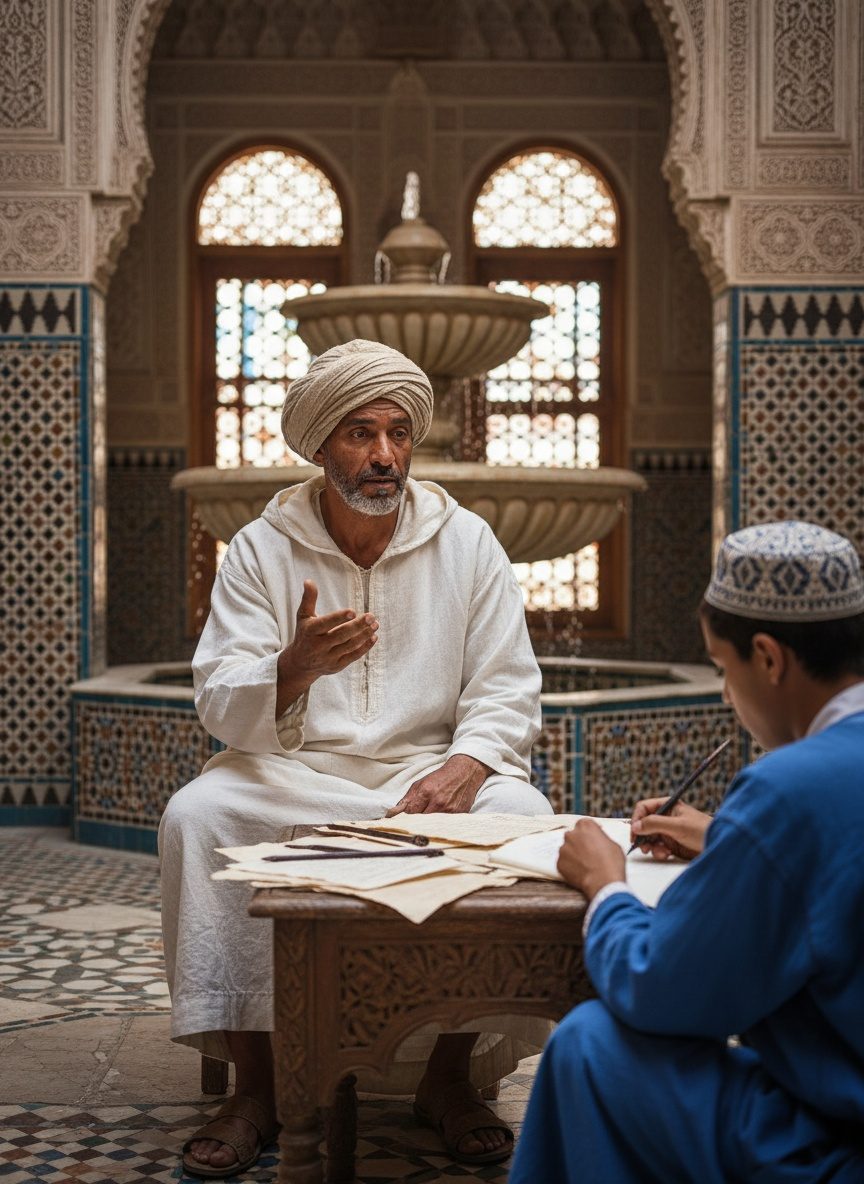
Amid this scholarly splendor lived Ahmad Baba, a man whose name resonated across the dunes as one who embodied the intellectual spirit of Timbuktu. A prolific writer and theologian, Ahmad Baba's profound works reflected the philosophical and theological explorations of the era, echoing like the call to prayer across the Sahara sands.
Chains Across the Sand: The Moroccan Invasion
The serenity of Timbuktu was shattered in 1593 when Moroccan soldiers, driven by conquest, marched into the city. Led by the sultan's lust for wealth and control, they ruthlessly plundered Timbuktu’s treasures. In the chaos, they bound scholars in chains—a grave symbolic defeat for a city whose power lay in wisdom more than weaponry.
Amidst the chaos, Ahmad Baba was forcibly torn from his city. The shackles around his wrists weighed heavy, not just physically, but as a reminder of the intellectual bondage forced upon Timbuktu. Forced on a grueling trek across the Sahara, Ahmad Baba’s resilience emerged, matched only by his sorrow and anger at the desecration of his beloved city.
The Scholar's Strength: Ahmad Baba in Marrakesh
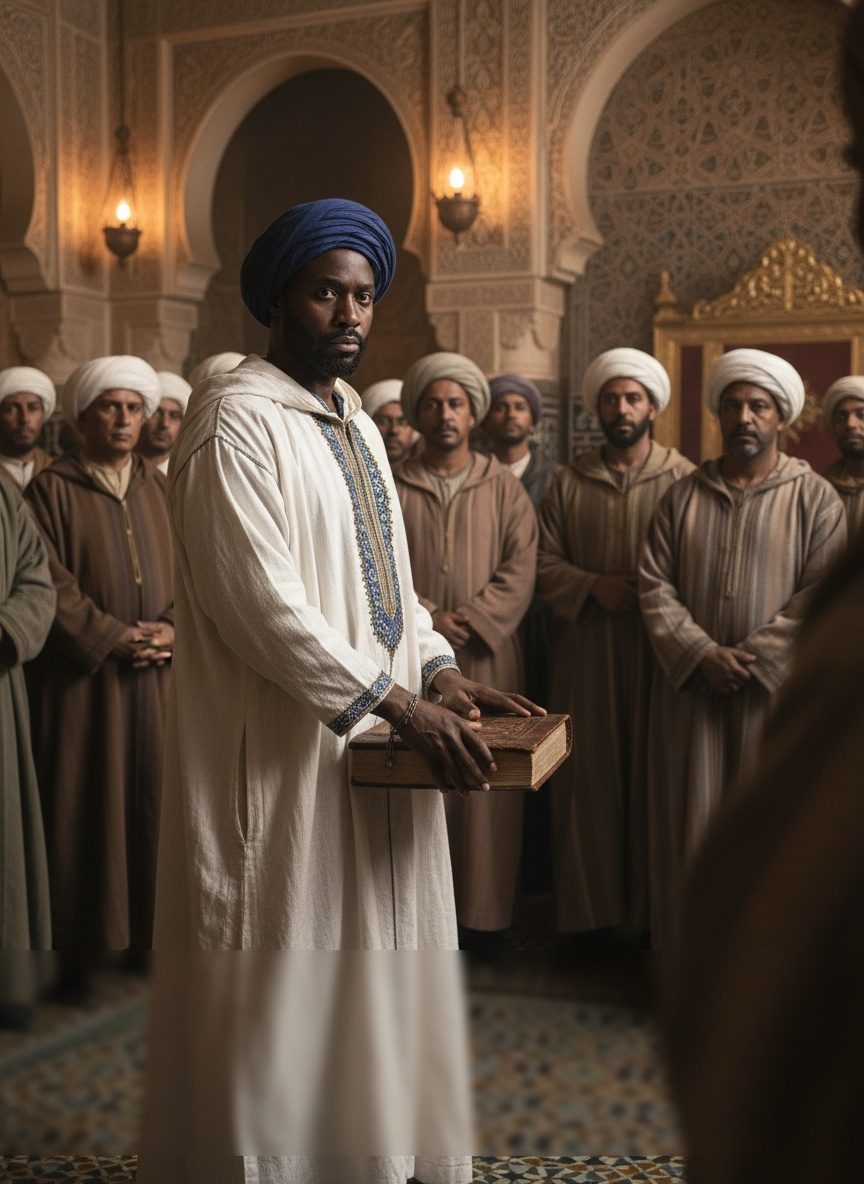
His chains clattered on the rough stone as Ahmad Baba was brought before the Moroccan sultan in Marrakesh. Yet, he did not cower. Stripped of his freedom, Baba's spirit remained unbroken. Unlike other captives who had succumbed to their fate, he stood resolute, unyielding in his quest for justice and truth.
In an extraordinary turn of events, he addressed the sultan not with pleas, but with words sharpened by intellect and conviction. Ahmad Baba demanded not only the return of his books, which contained lifetimes of accumulated knowledge and insight, but he lectured the sultan on the sanctity and significance of scholarship. The sultan, perhaps expecting submission, found himself face to face with a man who wielded his intellect like a warrior's blade. It was here that the initial chains of bondage began to unravel.
Releasing the Chains: A Legacy Untarnished
Following his standoff with the sultan, changes began to unfold. The power of Ahmad Baba's words lingered in the halls of Marrakesh like the echo of the desert wind. There was an undeniable shift—for the sultan’s flinch told of more than discomfort; it told of recognition and perhaps even respect. Slowly, the chains binding the scholars in Marrakesh became looser, their intellectual prowess beginning to take precedence over the physical binds.
Ahmad Baba eventually returned to his homeland, where his defiance and dedication were forever honored. He left Marrakesh not just a free man, but a legend, having stirred the conscience of an empire and rekindled the flame of knowledge that had been threatened with extinguishment.
This story matters because it is a testament to the enduring power of knowledge against oppression, an unwavering light in the darkness of tyranny. It reminds us that true strength lies not in gold or force, but in the unyielding resolve of the human spirit to seek and defend truth. Ahmad Baba's legacy is a beacon for those who stand against the chains of ignorance, a reminder that even in the face of formidable power, the voice of wisdom and courage can indeed reshape destinies.