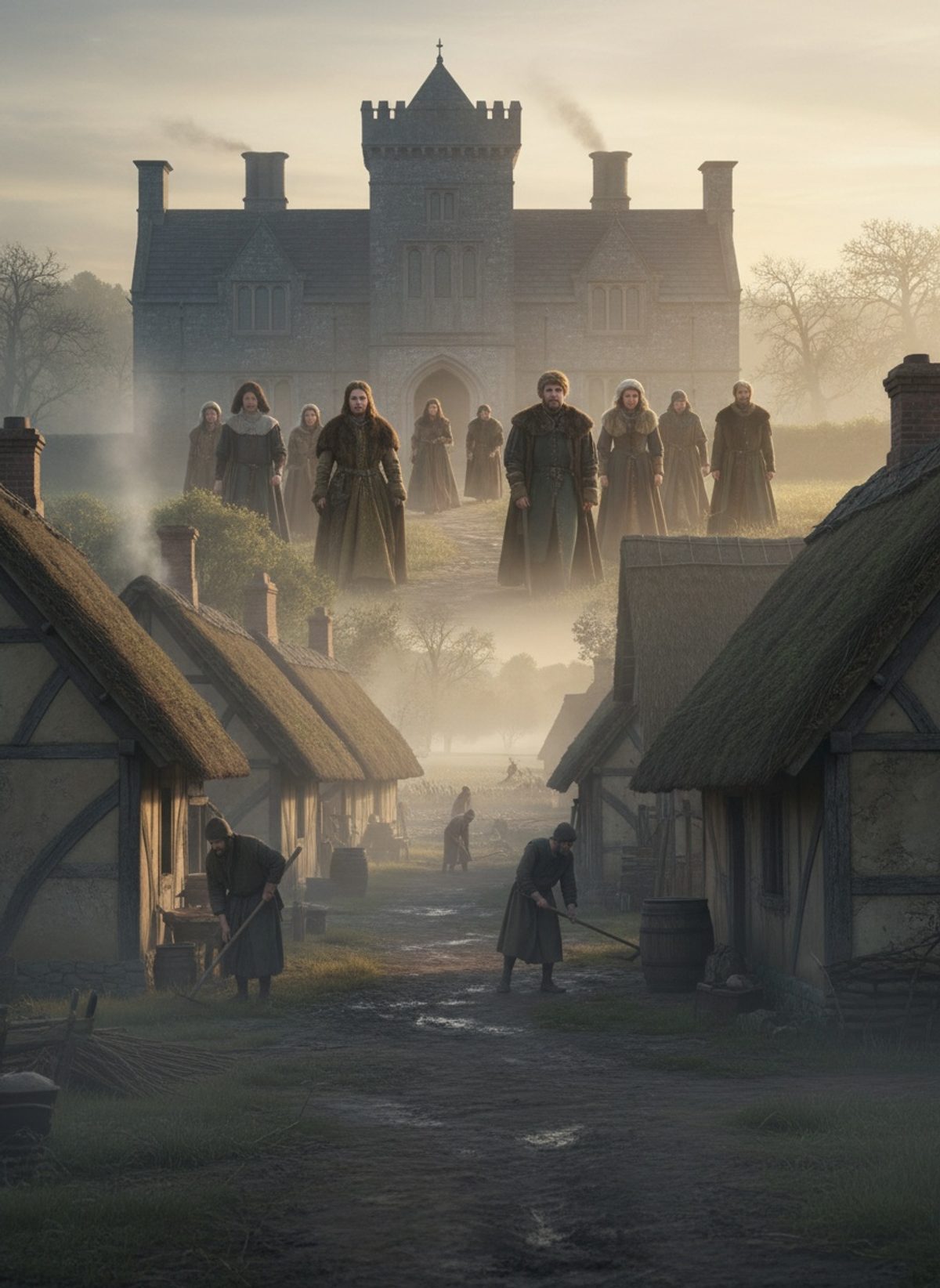
The air in the village was thick with the earthy smell of freshly turned soil. A gentle breeze carried the distant clang of hammer on anvil, mixing with the chatter of folk at a bustling market. Chickens clucked, and children’s laughter occasionally pierced the soundscape, echoing against the backdrop of open fields and simple thatched cottages. Medieval England seemed tranquil, but beneath this serene facade lay a harsh reality. Here, in the 14th century, life expectancy averaged around 30 years, a statistic that suggests a life barely lived. However, this number conceals a complex tapestry of survival and endurance amidst medieval life's harsh realities.
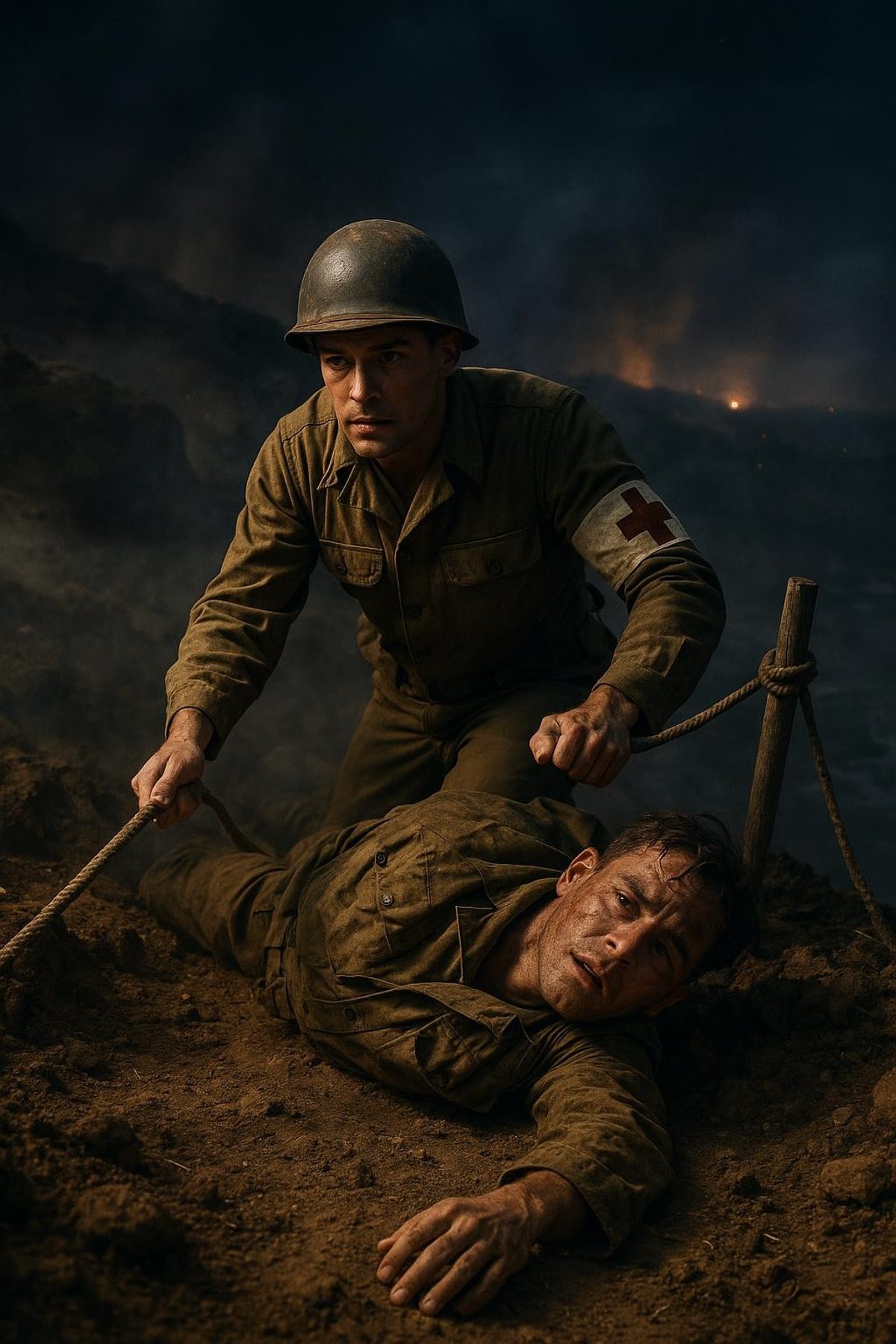
The stark reality was that around half the population never reached the age of 21, succumbing to the scourges of disease, famine, and conflict that were the silent tyrants in medieval society. By all accounts, life seemed fleeting, and childhood often served as a grim passage toward adulthood. Yet, for those who dodged the grim reaper's early visit—who survived the precarious years of infancy and childhood—the lottery of life could sometimes award them with decades more than the morbid statistics implied.
The village's eldest and celebrated rarity, a Devon landowner reportedly lived to 105 in 1386. His longevity stood in stark contrast to the more common fate that awaited his less fortunate contemporaries. These disparities in life span were not merely anomalies; they underscored a deeper social divide and the varying fortunes contingent on one's station in life. Wealth and social standing, it seemed, were as much determinants of longevity as the blood coursing through one’s veins.
Among the gentry, life expectancy could stretch five to six years longer than for those laboring as peasant vassals. An existence cushioned by privilege meant access to better nutrition, less grueling labor, and perhaps the occasional respite from the ravages of plagues and pestilence that ravaged the tightly clustered homes of the less fortunate. The lucky few who owned land, who dined from tables laden with the fruits of fertile estates, found longevity against the odds stacked high in the game of medieval survival.
Yet, even for those of higher status, every turn of the sun brought risks. Diseases like the Bubonic Plague did not discriminate; the Black Death swept through Europe with a voracious appetite, leaving no corner unscathed. Even nobility, with their refined manners and steel armors, found themselves equally susceptible to the invisible invader of pestilence. Therefore, reaching an advanced age was as much a testament to simple dumb luck as to any human endeavor.
Medicine, in whatever primitive form it appeared, was available, though its efficacy was often a matter of debate. Herbal remedies and primitive surgeries—sometimes more perilous than the afflictions they aimed to cure—occasionally worked their rustic magic. Yet more often, they were little more than a cruel game of chance dressed as treatment. Religious superstitions and folk cures played their parts in this elaborate theater of health, displaying humanity's eternal pursuit of answers in the face of mortality.
Combined with these social variations, the geographical location in which one lived also played a critical role in determining lifespan. Rural communities, though removed from the squalor of dense cities, were not immune to the depletion of their lifeblood from successive failed harvests that turned peasants into paupers. The weather, too, was an unpredictable master, guiding their fate with storms and droughts that came and went like capricious specters over the medieval landscapes.
Despite the tumult of their world, medieval people did not perceive their lives through the lens of finite years as modern humans might. Emphasis on community, religion, and even astronomical phenomena meant an existence framed around cycles rather than ends. Their tales, passed from lips to ears by flickering fires, celebrated the endurance of spirit rather than the brevity of flesh. Weddings, births, harvests—these cyclical events punctuated their lives, composed of countless small narratives that defied the chilling abstract of average mortality rates.
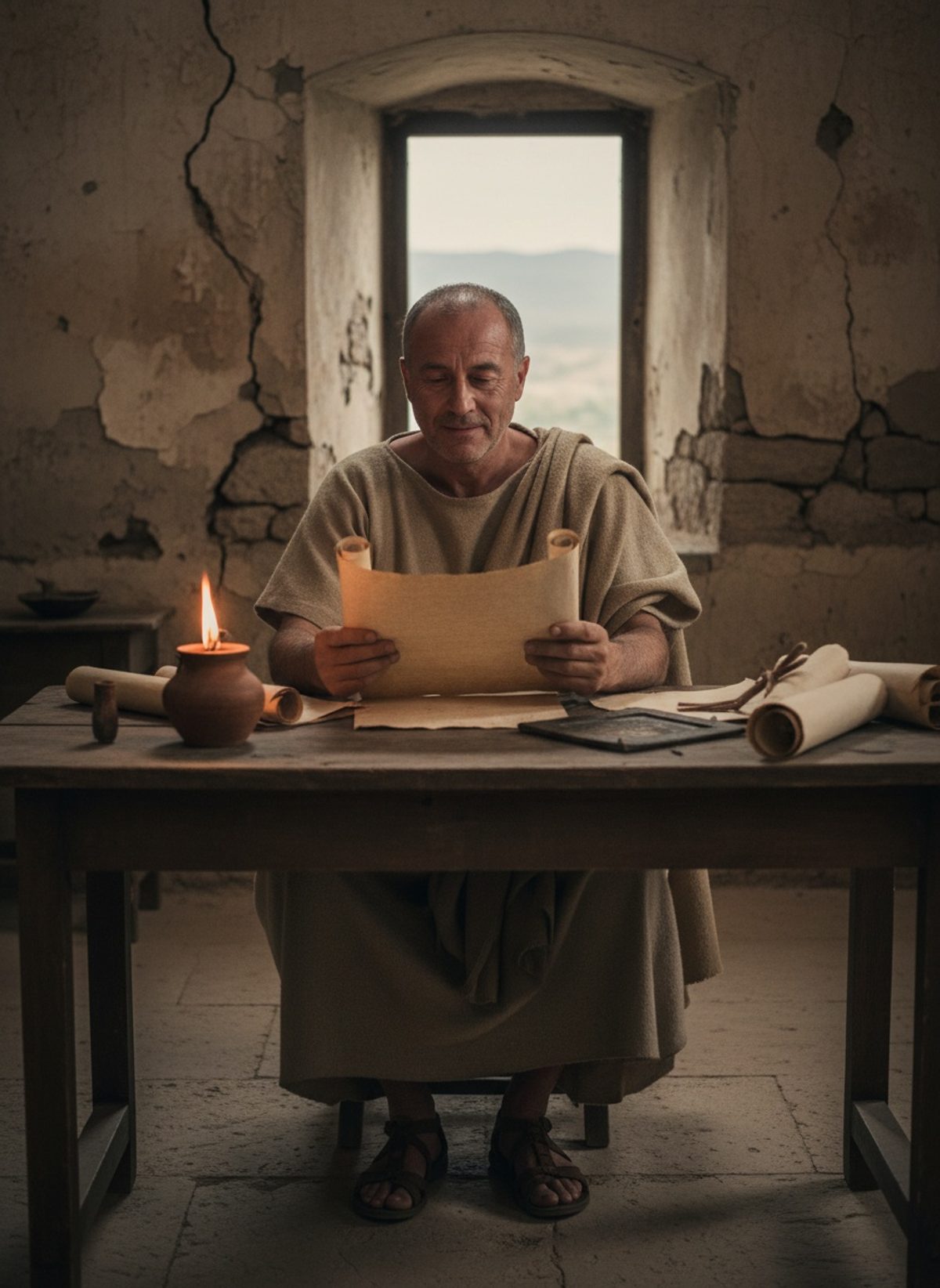
In these resilient communities, wisdom and stories often reached down through generations, older minds guiding younger hands long after rosy cheeks had lost their blush. The elderly, seen as reservoirs of knowledge, claimed their rightful honors at the center of families and villages. They were living windows to bygone eras, their whittled faces scribes of passing time, bodies temporal artifacts from centuries past.
In understanding the medieval arithmetic of life expectancy, one uncovers more than mere numbers; it’s a peek into the legacy of the human condition. Resilience, perseverance, and the pursuit of meaning in the face of unrelenting mortality are the tropes of human life that transcend centuries. Today, their legacy reminds us that life isn't only about the quantity of years but the richness of experiences contained within them.