Timoleon of Corinth was just like any other Greek soldier. Yet, he was unlike any other brother.
The Bonds of War
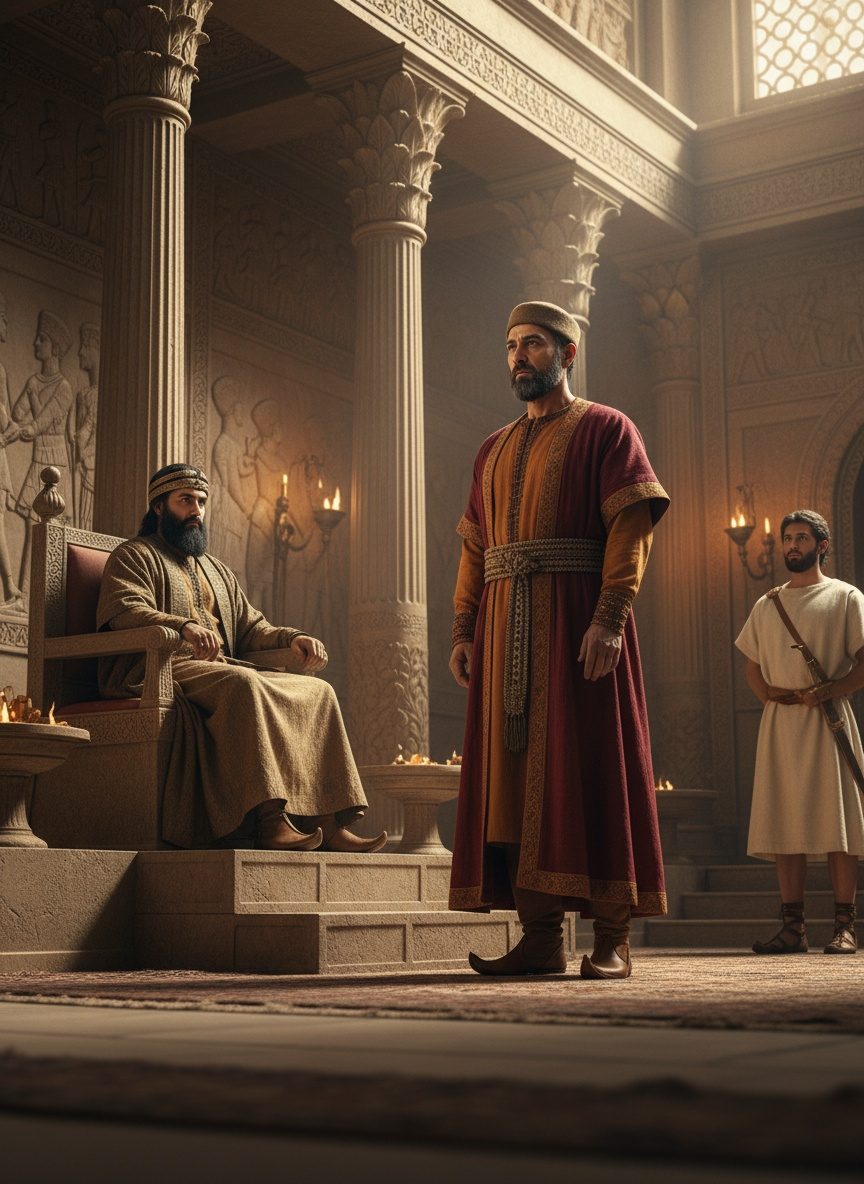
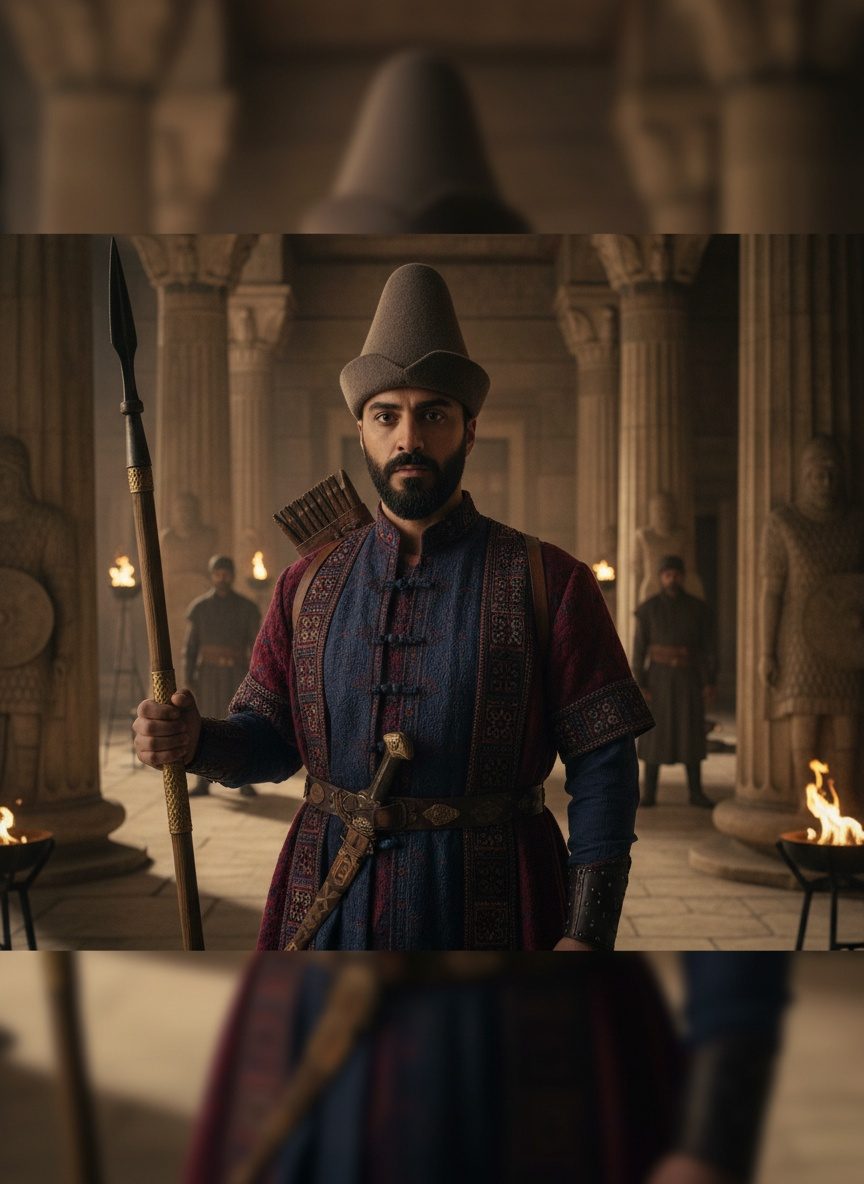
In ancient Greece, amidst the jagged landscapes of the Peloponnesian terrains, there were two siblings whose destinies were entwined by birth and the bruises of battles fought side by side. Timoleon and his elder brother Timophanes were more than just brothers; they were comrades, sharing the clash of metal and the drudgery of soldier life. In the fierce and chaotic screams of warfare, Timoleon once saved Timophanes, pulling him back from the clutches of death. This act was not merely an exhibition of fraternal affection but a reflection of the deep-seated bond formed amidst the carnage of war.
The brothers' shared experiences on the battlefield drew them ever closer, yet an unspeakable chasm also slowly began to form between them. As Timophanes became seduced by power, he cast aside the ideals that once tied them together, paving the road to tragedy.
A Grasp for Power
In the year 365 BC, the city of Corinth, with its strategic acropolis and bustling market squares, witnessed an upheaval. The Greeks were no strangers to the tyranny, where a single man unilaterally dictated the lives of others. Timophanes, fueled by ambition and perhaps a taste of the glory that victory brought, raised his sword not in defense of his city but in a bold seizure of control. Declaring himself the tyrant of Corinth, he clutched the reins of power with an iron grip.
This new governance, however, was not met with the jubilation Timophanes might have hoped for. The citizens of Corinth found themselves steeped in anxiety and shackled by the very person sworn to protect them. Under his rule, their once vibrant and thriving city began to crumble into an oppressive backdrop of fear and subjugation. It was not merely the chains of slavery that bound them—it was the betrayal of their own blood, their own defender.
The Terrible Ultimatum
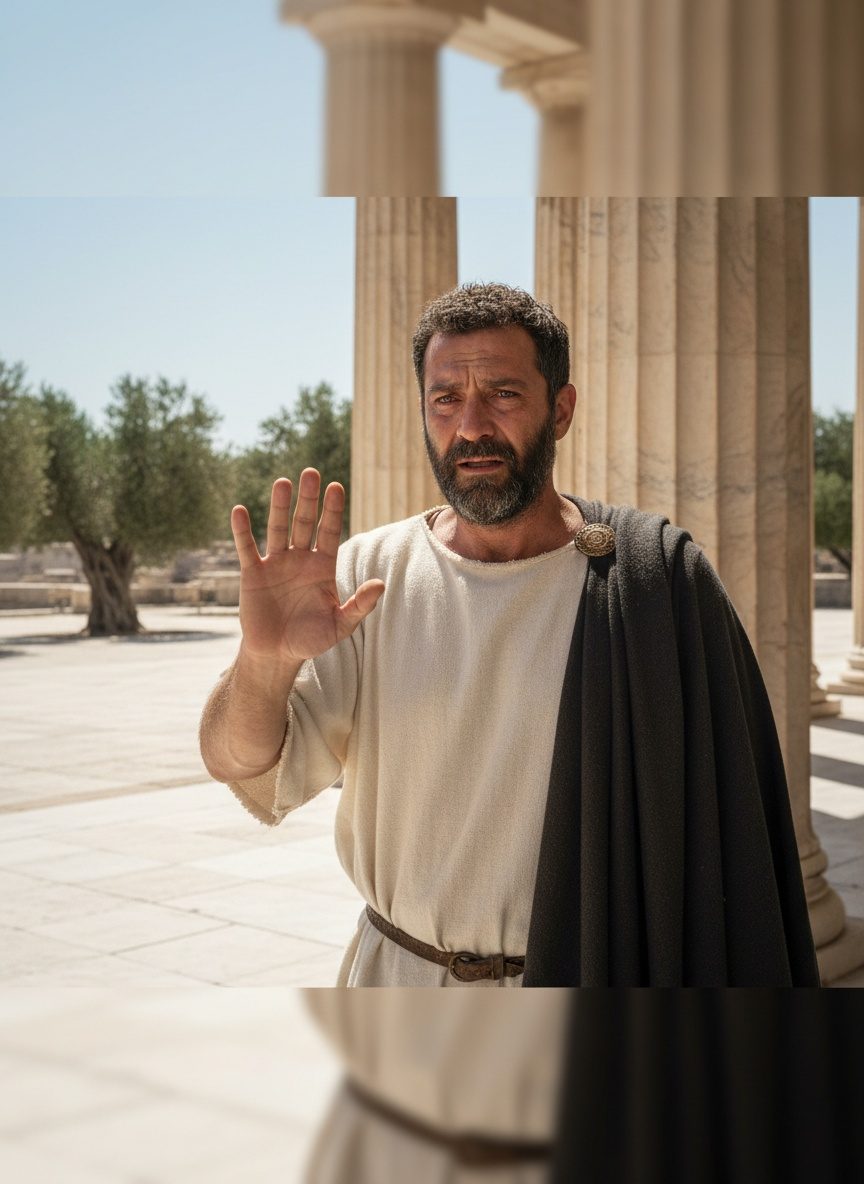
Timoleon's heart ached, torn between loyalty to his brother and allegiance to his city. An impossible choice loomed before him, one that would require him to confront his own flesh and blood. In a desperate attempt to rekindle the fire of reason within his brother, Timoleon approached Timophanes. He pleaded fervently, urging him to relinquish the crown and restore the republic.
But Timophanes was resolute. Power had irrevocably altered him, deep-seated pride and hubris blinding him to brotherly compassion and duty. He dismissed Timoleon’s earnest entreaties with contemptuous laughter, an echo that seemed to shatter any remnants of unity left between them. The moment was suffused with a palpable tension, as Timoleon realized the tragic burden that had been thrust upon him.
The Fateful Intervention
In an era where oaths and honor dictated the moral fabric of society, the act that followed was nothing short of seismic. Timoleon stepped forward, his heart heavy with despair and resolution. When persuasion failed, actions became the only means. He watched as their shared history dissolved into an unrecognizable chasm before his eyes. As Timophanes raised his own sword to strengthen his tyrannical grasp, it was his brother who stepped between him and endless tyranny.
It is said, without grandiloquence or drama, that Timoleon ended his brother’s life. In a moment that juxtaposed profound love and unyielding duty, he wielded the sword of justice, placing the welfare of an oppressed city above his familial ties. The tyrant fell, and with him, so too did the dreams Timoleon had once held for them both as brothers, warriors, and protectors of Corinth.
The Weight of Memory
The shadows cast by that irrevocable act lingered long after its execution. Timoleon was hailed as a hero by the Corinthian people, yet the specter of his brother’s demise forever haunted him. Despite the praise and veneration, the ghosts of that decision walked beside him, a silent but constant reminder of the costs of his choice.
In the annals of history, Timoleon's legacy is etched as a profound meditation on the complexities of power, loyalty, and sacrifice. While the city of Corinth sought freedom from tyranny, it also served as a stark reminder of the treacherous pathways power can tread. In stepping between his brother and the city’s continued subjugation, Timoleon not only liberated his people but also secured an enduring narrative—the burden of choosing justice in the shadow of love.