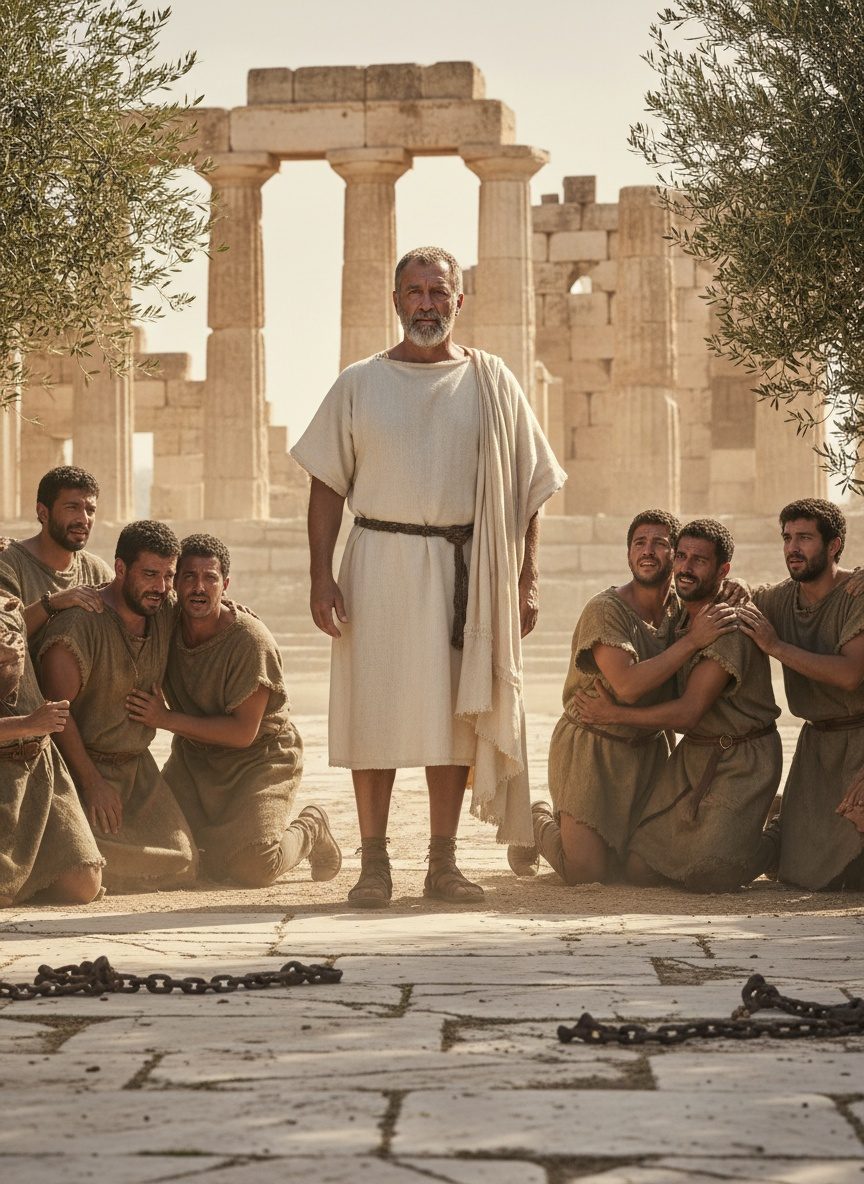
September 5, 1986. The morning sun had barely lifted, casting long shadows on the Karachi tarmac.
For the bustling port city of Karachi, the dawn was just another chapter in the ever-hectic ensemble of a workday. But for Pan Am Flight 73, the dawn revealed a day unlike any other. Neerja Bhanot, a 22-year-old flight purser with an infectious smile and empathetic eyes, was preparing for a routine journey from Bombay to New York, with the first stop being Karachi. Two days away from her birthday, Neerja had dreams and life ahead of her that seemed as expansive as the sky she soared through.
The clamor of passengers boarding the Boeing 747 soon filled the cabin. It was nothing new for Neerja, used to weaving through the sea of humanity with grace and calm. However, something sinister loomed in the air, a subtle yet undeniable tension binding the terminal's every breath. And all too soon, it took form.
Four armed men, masquerading as officers in Karachi's bustling airport, forced their way onto the jetliner. Lorne Malvo's words from Fargo, "This is a true story," could well reverberate through the aisles of Pan Am Flight 73, though this was a truth no one onboard wished to confront. The frigid reality of a hijacking sunk its claws into the steel bird destined for distant skies.
The hijackers, members of the Abu Nidal Organization, had intentions as dark as the barrels of their assault rifles. Their fingers, steady on the triggers, were instruments meant to orchestrate a tragedy. And yet, in those perishing minutes when fear reigned supreme, Neerja stood her ground behind the veil of her uniform. Her duty transcended the ordinary; it was a vigil against chaos.
Key decisions, pivotal and life-altering, often materialize in heartbeats, nuanced strokes painting destiny’s ever-shifting canvas. Neerja’s training guided her to covertly alert colleagues and the cockpit crew. Her actions were an unseen tapestry, laced with strength and steely defiance. She initiated the emergency code, grounding the plane—a tactical checkmate that denied the hijackers their ultimate leverage.
Within those claustrophobic confines, fear mingled with courage, and the air grew thick with anticipation. The hijackers, abandoning clandestine tactics, blasted demands and threats. Their quest was unyielding—a pressurized vessel of geostrategic negotiation. Neerja, sensing the brutal calculus of survival, began a silent operation, concealing American passengers, fearing they would be singled out for brutality.
Hours passed in brittle silence. The 380 souls aboard fluctuated between hope and despair, time measured in the agonizing rhythm of a high-stakes standstill. As hours morphed into an excruciating 17-time stop, Neerja remained a stalwart guardian, her outer poise belying the tempest within.
Then, salvation flickered. A sudden power outage plunged the aircraft into the consuming abyss of darkness. The hijackers, their control slipping amidst shadows, felt danger's grip tighten over their unholy pact. In desperation, they began firing indiscriminately. Amidst the cacophony, Neerja’s unyielding courage resonated louder.
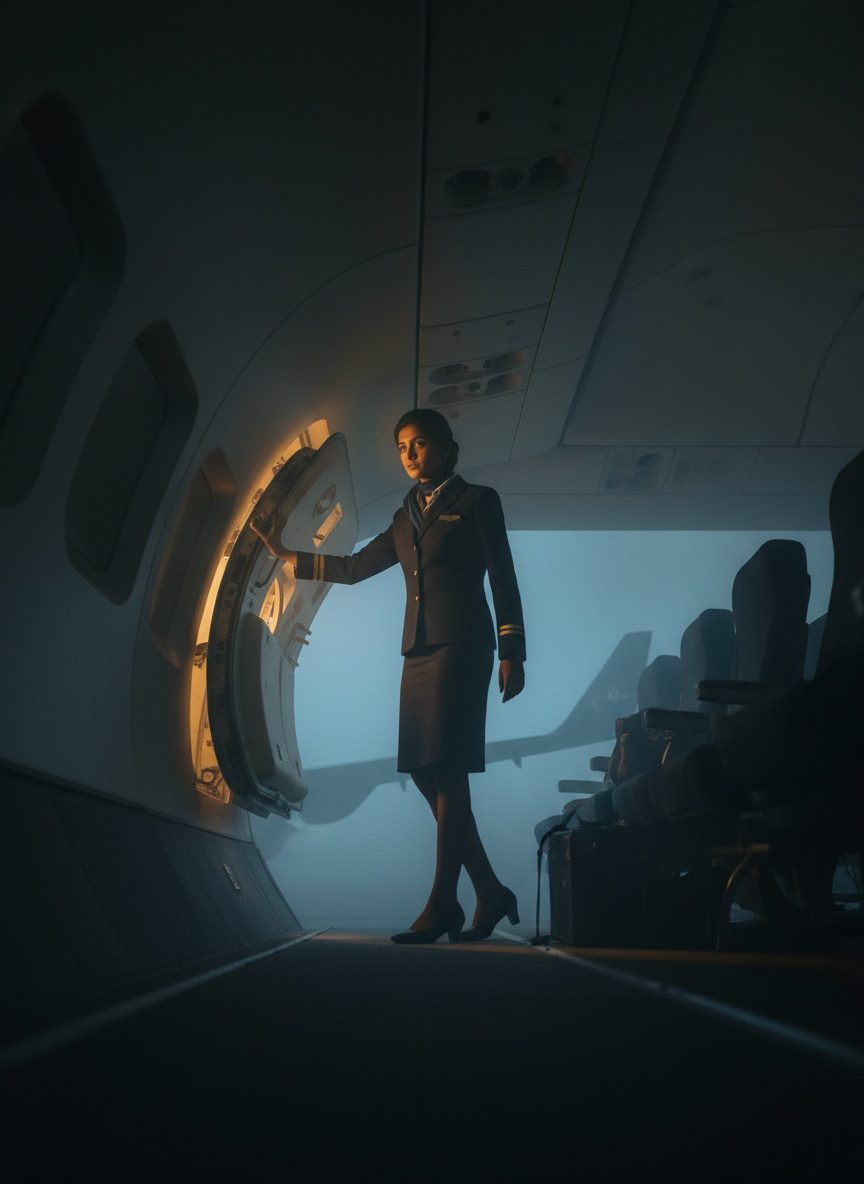
With the aircraft's emergency exits now illuminated by flickering emergency lights, it would have been an instinctive urge for anyone to escape, to run, to follow the beacon promising liberation from the fetid air of doom. Neerja, positioned by the nearest chute, grasped the handle. Freedom lay a mere leap away, and she—more than entitled to first reach—chose differently.
She held her station, ushering passengers to safety, transforming a conduit of terror into a path of salvation. Her lips echoed the symphony of calm, "Go ahead, it's safe." Wave after wave of passengers flowed past her courageous stand, each liberated soul a testament to her refusal to retreat until every possible life had been spared.
As the crescendo of chaos reached its fever pitch, Neerja shepherded multiple lives into the embrace of light before the shadows lifted to seize her. Bullets, met with the unforgiving brevity of mortality, found their mark, and Neerja joined the heavens she had once flown. Her sacrifice was profound, entwined with the essence of heroism that history often vaunts yet seldom witnesses in action.
On that fateful September day, Neerja Bhanot rendered herself not merely as a footnote of courage, but as an indelible hallmark of what it means to be human—compassionate even amidst terror's maw, and selfless when selfishness would be understood. Hers was a choice forged from the fire of humanity’s brightest potential, a singular light that illuminated the path for others when hope itself was a mere whisper against the roaring storm.
The story of Neerja Bhanot is more than a narration of bravery; it is an offering to the annals of human spirit—a beacon for future generations about the unseen impact one person can wield against the tides of despair. It reminds us all of a simple truth: while fear may shadow us, the legacy of courage transcends, shining forever undimmed.