He was a businessman who was supposed to profit from war. Yet, by 1944, Oskar Schindler had spent a fortune, not to amass wealth, but to save lives. As the Allies advanced and the Nazi regime faced its inevitable collapse, Schindler made a deliberate decision: he would leave the war with nothing.
To understand the magnitude of Schindler's decision, we must first comprehend the theater of war in which he operated. Inside a world torn apart by conflict, Schindler’s factory became an unlikely sanctuary for over 1,000 Jews. A member of the Nazi Party and initially motivated by profit, Schindler saw an opportunity in the occupation of Poland, a chance to capitalize on the cheap Jewish labor that the Reich provided to its loyalists. However, as the grim realities of the Holocaust unfolded before his eyes, a profound transformation occurred within him. He chose a path that defied the ethos of a war profiteer.
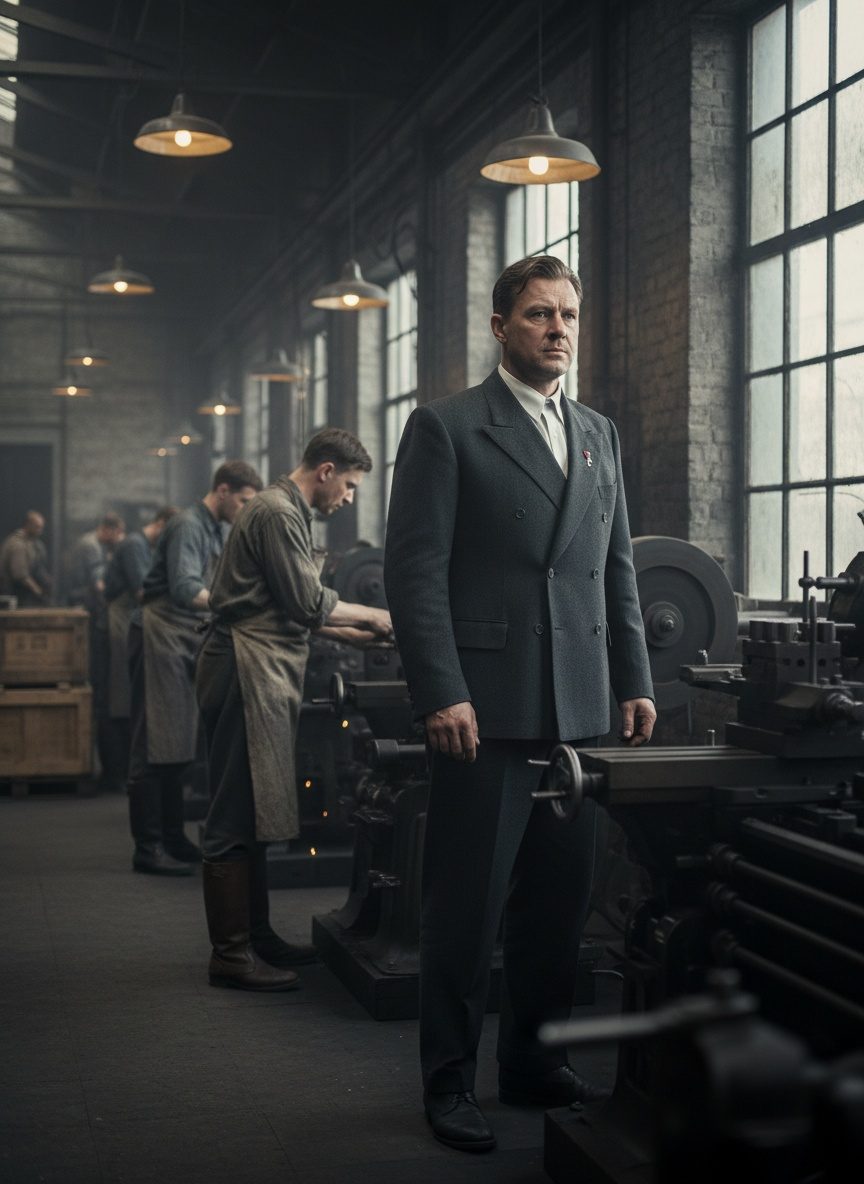
By 1944, Schindler had turned his enamelware and ammunitions factory in Kraków into a refuge. He established the facility within the Brünnlitz labor camp in what was then Czechoslovakia, creating a facade of wartime production. This was his canvas, and on it, he crafted a masterstroke of defiance against the genocidal machine. He manipulated the system with cunning and charisma, bribing SS officers and Wehrmacht commanders, always turning suspicion into allegiance through gifts of cigarettes, whiskey, and gold. With each transaction, another life was safeguarded.
The audacity of Schindler's deceptions is striking. When the Plaszów labor camp was closing and its occupants destined for Auschwitz, Schindler created the now-famous list. This enumeration of names was no ordinary inventory; it was a lifeline. It included individuals deemed "essential" to the operations of his factory—men, women, and even children. Some on the list were skilled metalworkers and engineers, but many possessed no more expertise than their desperate will to survive. Schindler exploited his connections, presenting an inflated need for workers to justify the inclusion of more and more names.
As rumors of defeat for Germany grew, so did Schindler's resolve to save as many souls as he could from the inferno of Nazi extermination. His wife, Emilie, shared this mission, helping to gather necessary provisions and nurse the ailing workers. The two were cast not as saviors by design, but as accomplices in each other’s compassion. Together, they conjured hope amid the pervasive despair that cloaked Europe in those harrowing final war years.
This endeavor was neither simple nor inexpensive. Schindler expended his considerable fortune on essentials like food and medicine to support "his Jews," as they became known. The rations provided by the Nazi regime were meager and insufficient, forcing him to acquire additional supplies through the black market. The financial hemorrhage was intentional; Schindler was divesting from his profits as much as he was investing in human life. He scorned the wealth that the war had offered him in exchange for spiritual richness, understanding that gold and silver meant little against the priceless backdrop of human existence.
The end of the war found Schindler destitute, having liquidated everything in the sanctuary he had built. When the Red Army liberated Czechoslovakia in May 1945, Schindler fled to avoid retribution by the Nazi remnants. To his factory workers, he left letters of recommendation to present to the Allies, ensuring they had proof of their forced service under his protection. That moment was bittersweet, knowing his efforts had saved lives yet recognizing the departure from the people he had come to see as family.
With the war’s end, Schindler's once-vast empire had evaporated, but the legacy of his efforts would eventually transcend any financial ledger. While many in the post-war world were quick to judge and hold all Germans accountable, survivors like those from Schindler's List spoke for him. Their testimonials revered his bravery, offering up his story as a testament to the power of individual agency. In a world drenched in darkness, Schindler had emerged as a beacon of light to those who knew his true motivation. His was not an act of heroism choreographed by the pages of scripted valor, but rather a rich, chaotic symphony composed in the margins of morality and circumstance.
Oskar Schindler's actions stand as a remarkable reminder of the capacity for change within the human heart. His choice to empty his pockets reflects a deeper narrative about the dichotomy of human nature. Here was a man initially consumed by the allure of wealth, who pivoted toward an altruistic mission that shaped his destiny and that of over a thousand others. In a world straddled by war and peace, civilization and barbarism, Schindler opted for humanism. His story is not merely an echo of the past; it carries profound implications for the present, challenging each of us to contemplate how we might spend our own lives—coin by coin—in pursuit of something greater than ourselves.