Easter morning, 1906. The air in the Valley of the Kings was as dry as the parchment-like walls inside the ancient tombs.
Ameed of the Sands: Deir el-Medina
In the vibrant heart of the Egyptian desert, between the rugged hills of the Theban necropolis, lies the humble village of Deir el-Medina. Here, amid the golden sands and whispering winds, a community thrived during the 18th Dynasty circa 1400 BCE, dedicated to crafting the eternal homes of Egypt's pharaohs. WiTh precision and devotion, these skilled artisans constructed the grand tombs that would cradle the dead kings in the afterlife.
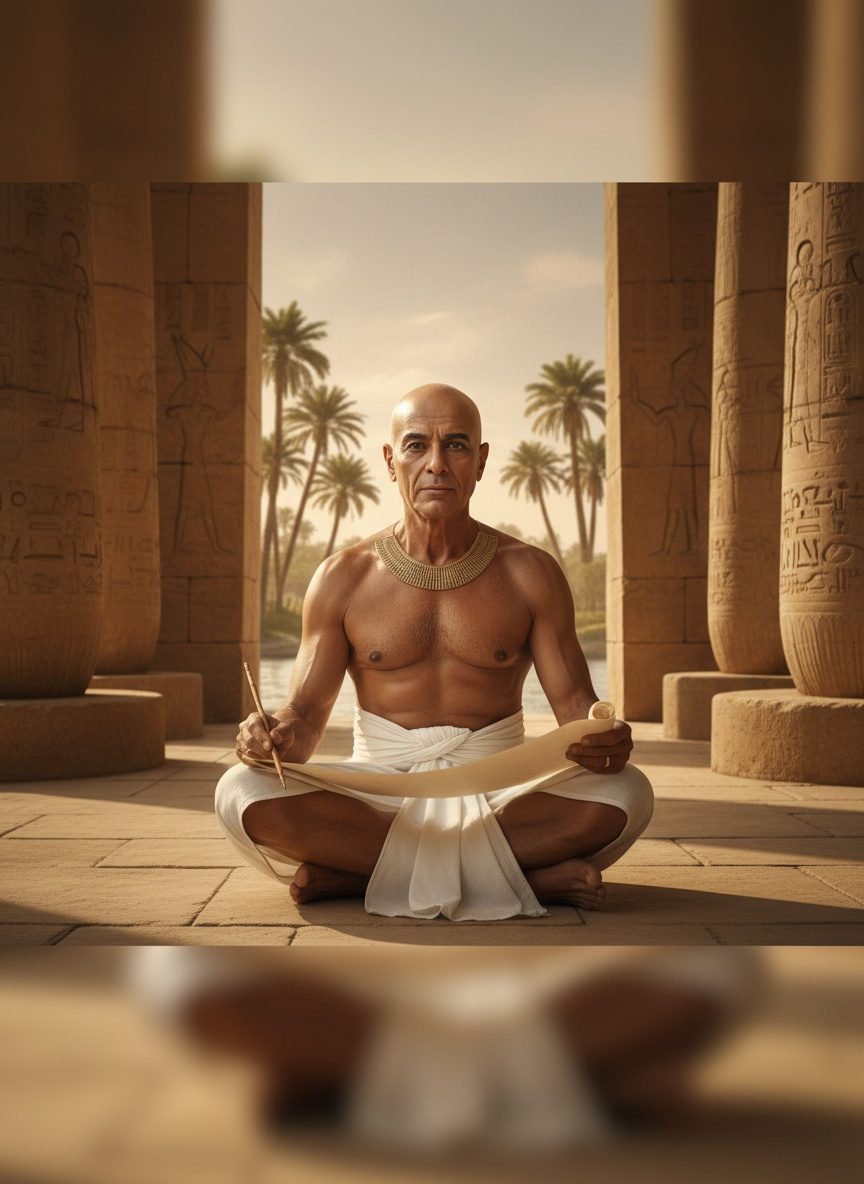
But it was not just the mighty pyramids or the monumental temples that bore the imprints of these artisans' hands. Their own final resting places spoke volumes of their culture, beliefs, and personal lives. Among them was the tomb of Kha, a master architect, and his beloved wife, Merit. Unlike the vast tombs they constructed for royalty, theirs was modest yet filled with extraordinary detail — a testimony to a domestic life intertwined with love and tradition.
Kha and Merit: Builders Beyond the Tomb
Kha was a builder of royal tombs, a prestigious position that earned him a comfortable life. The tools of his trade were not merely the chisel and hammer but the meticulous planning and artistic vision that adorned the walls of the pharaohs' eternal abode. Yet, it was his love for Merit that resounded through the ages, carefully preserved within their tomb.
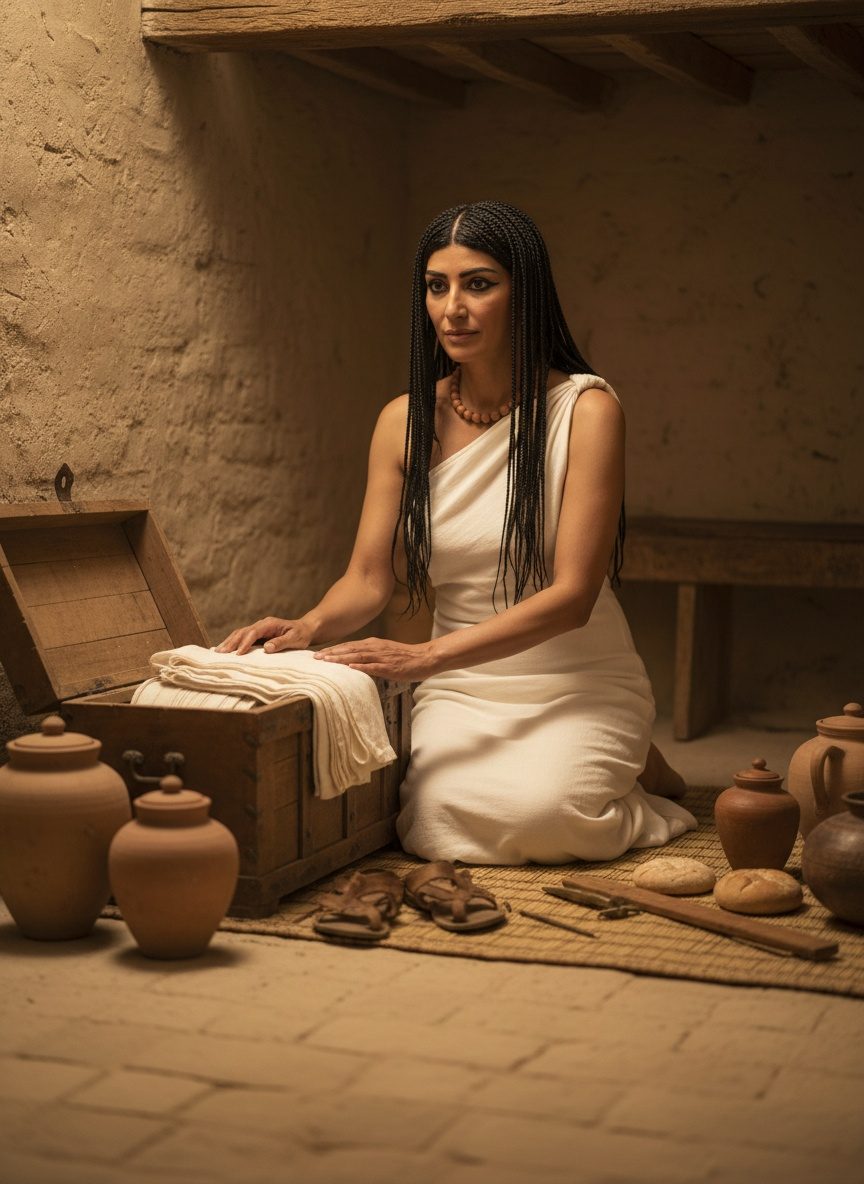
Merit, in her devotion, took upon herself the sacred duty of preparing their shared tomb. Her touch is evident in the intricately arranged burial chamber, where each item tells a story of a life well-lived. The tomb was adorned with offerings to sustain them in the afterlife — loaves of bread, amphorae of oils, pots of honey, and folded linens. Each piece was meticulously placed, whispering the story of their shared life, like Merit herself lingered there as she made the preparations.
The Seal Breaks: An Archaeologist's Revelation
In 1906, archaeologist Ernesto Schiaparelli and his team unsealed this intimate capsule of ancient life. The hot desert sun bore down mercilessly, yet within the tomb, a cool stillness prevailed, untouched by centuries. As dust motes danced in the torchlight, the archaeologists gazed upon an astonishing sight — the bread packed by Merit was still there. The oils retained their aroma, and the linens lay folded as if newly placed. The remarkable preservation owed itself to airtight conditions that shielded the funeral bounty from the ravages of time.
The precision with which the tomb was packed bespoke more than mere ritual. It was an act of tenderness, an ancient epistle written in artifacts rather than words. The copperstone tools of Kha lay beside Merit's items. Sandals, preserved leather straps still intact, were neatly placed to accompany them on their spiritual journey. Each object was both personal and poignant, meant to ensure a seamless transition for the departed couple as they moved to the world beyond.
Time's Unyielding Embrace: Enduring Lessons
The tomb of Kha and Merit offers us a rarified glimpse into daily life over three millennia ago, transcending myth and monumentalities that often dominate the pages of history. It encapsulates not just the grandiosity of pharaonic ambitions but the nuances of personal relationships that withstood the ages — relationships rooted in love, loyalty, and the universal human quest for continuity amidst life's fleeting moments.
Though we cannot directly converse with this ancient couple, their story vibrantly echoes through these artifacts, bridging gaps of time and space. Even now, centuries later, we sift through these traces, finding remarkable commonalities within the distinct sepia tones of history. In a world quick to forget what lies beneath the surface, the preserved simplicity inside Kha and Merit’s tomb challenges us to remember that in even the largest of legacies, it is the quiet intimacies that speak the loudest.