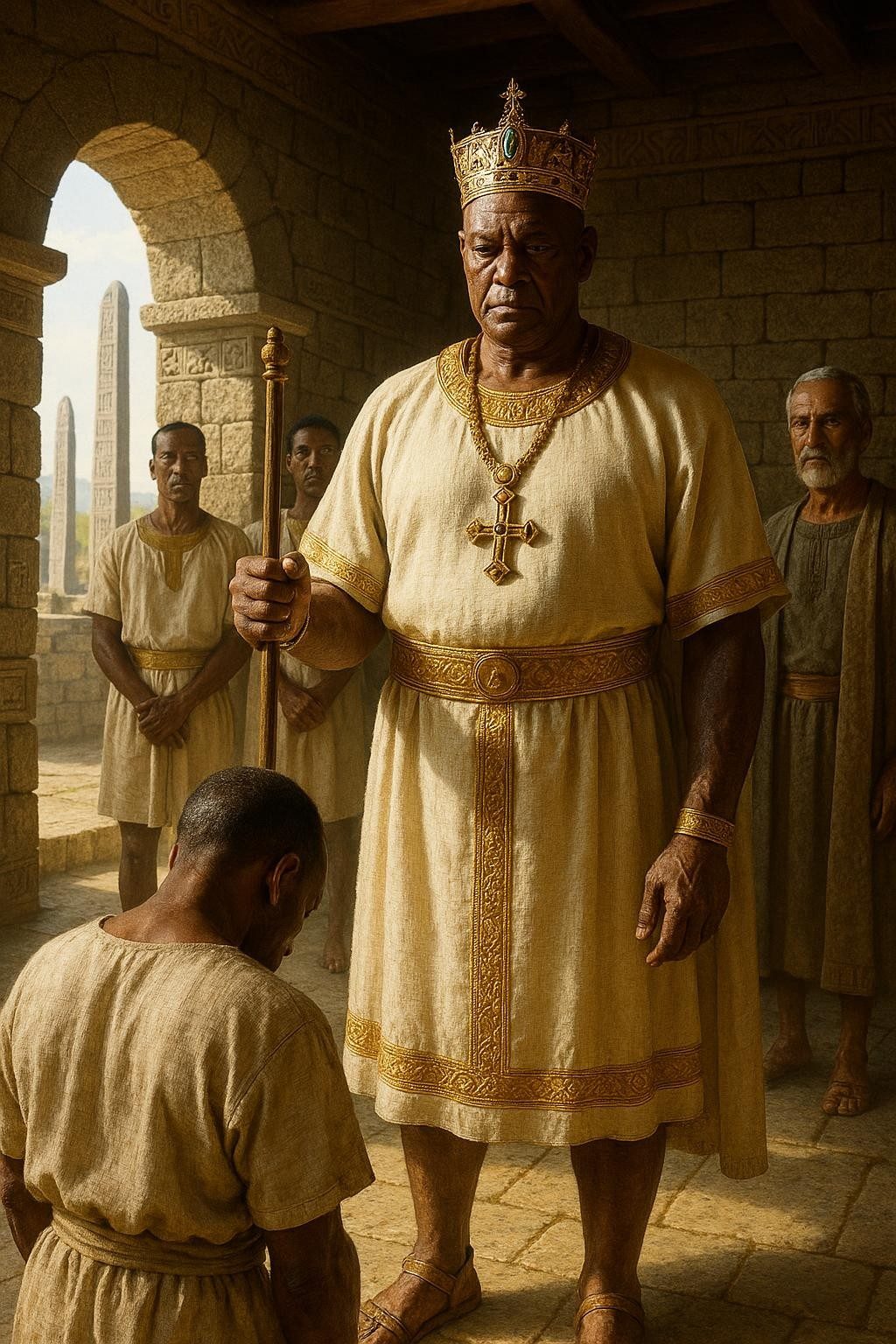
The Aztec ruler Nezahualcoyotl was sentenced to death. Instead, he created a garden.
From Exile to Emperor
The real-life struggles of Nezahualcoyotl of Texcoco read like the epic tales of legend. Born in 1402, he had a claim to a kingdom, but his early years were shaped by profound upheaval. In the shadow of the lofty Texcocan hills, Nezahualcoyotl watched his father, the king, brutally murdered by the forces of the Tepanec ruler Maxtla around 1418. Nezahualcoyotl, barely in his teens, managed to escape the slaughter but was forced into a life of fugitive wandering. For nearly a decade, he hid in the forests, traversed mountains, and sought refuge among the sympathetic leaders of the time.
His name, meaning "Hungry Coyote," was fitting for a young man who must evade capture and bide his time for survival. During his years wandering the perilous landscapes of the Valley of Mexico, Nezahualcoyotl fostered relationships with key figures, laying the groundwork for eventual alliances that would change the face of Mesoamerican politics. Slowly building support, he garnered sympathy for his cause from nearby city-states, including those who had felt the oppressive heel of Maxtla's Tepanec empire themselves.
Finally, in 1431, Nezahualcoyotl returned triumphantly to Texcoco. With strategic acumen and the strength of his alliances, he overthrew the Tepanec rule. He assumed the throne that was lineally his, becoming a formidable leader in the rebirth of the Acolhua people. As a ruler, he faced the monumental task of rebuilding his land, a realm filled with the raw scars of past tyranny.
The King Who Built Gardens
Standing amid the ruins and ashes, where vengeance and rage might have been expected, Nezahualcoyotl turned to a surprising and visionary pursuit. While the echoes of conflict still lingered in many minds, the new king cast his gaze toward the future, determined to cultivate beauty where others would seek retribution. He began to construct vast royal gardens upon the very grounds that had previously held oppressive structures like prisons.
His most famous creation was the garden at Texcotzingo, not far from his capital in Texcoco. It was a marvel of engineering and artistry, boasting cascading aqueducts that would channel mountain spring water, creating artificial ponds that shimmered under the sun. The terraces climbed hillsides in perfectly arranged arrays, with each level featuring a diverse selection of endemic plants, luscious fruit trees, and aromatic florals. As much as it was a place of beauty, it was also a demonstration of ecological foresight, displaying an understanding of sustainability long before such concepts were formally defined.
Intricate pathways meandered through the gardens, guiding visitors past towering sculptures and stone carvings that depicted historical narratives and divine imagery. Hidden amidst the flora were secluded baths, designed for the enjoyment of nature and reflection. The gardens at Texcotzingo were not just royal adornments but served an essential cultural and spiritual purpose, embodying the unity between nature and society espoused by Nezahualcoyotl.
The Emperor and the Ethereal
Nezahualcoyotl's inspired decisions left his contemporaries bewildered and astonished. His choice to construct gardens, instead of focusing solely on expanding military might or building foreboding fortresses, spoke volumes about his broader vision for leadership and legacy. While empires might crumble, the respect paid to knowledge, artistry, and nature could transcend the ravages of time.
Beyond his role as king, Nezahualcoyotl was a philosopher and poet, his written works capturing the essence of his enlightened reign. He explored themes of mortality, existential contemplation, and the ephemeral nature of life. His poetry, endowed with rich metaphors and profound insights, circulated orally, and would later be immortalized in codices that fascinated generations to come.
By choosing growth over destruction, Nezahualcoyotl illustrated a powerful alternative approach to leadership. He wielded the tools of harmony and wisdom instead of fear and control. His refusal to embark on a vindictive path against former foes planted the seeds for peace and prosperity in Texcoco and beyond, allowing art, culture, and nature to flourish. In the years that followed, Texcoco was not just known for its strategic might but hailed as a beacon of Mesoamerican civilization.
Ultimately, the story of Nezahualcoyotl is far more than a tale of political victory; it's an enduring narrative of transformative power. He transformed potential cruelty into unprecedented creativity, and in doing so, he reshaped not only his kingdom but also the vision of what a ruler could aspire to be. His legacy remains vibrant, reminding future generations that peace cultivated through strength and compassion can yield the most radiant of gardens, even in lands once shadowed by the threat of death.