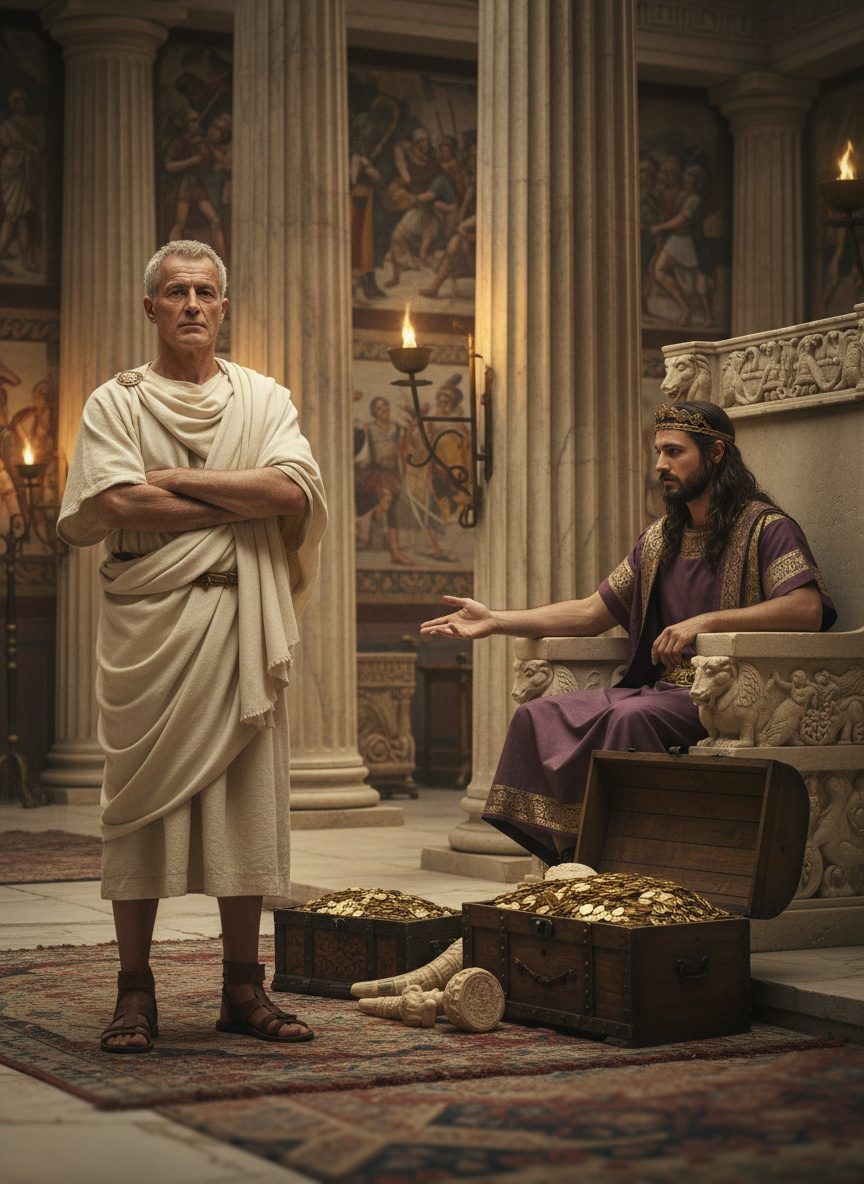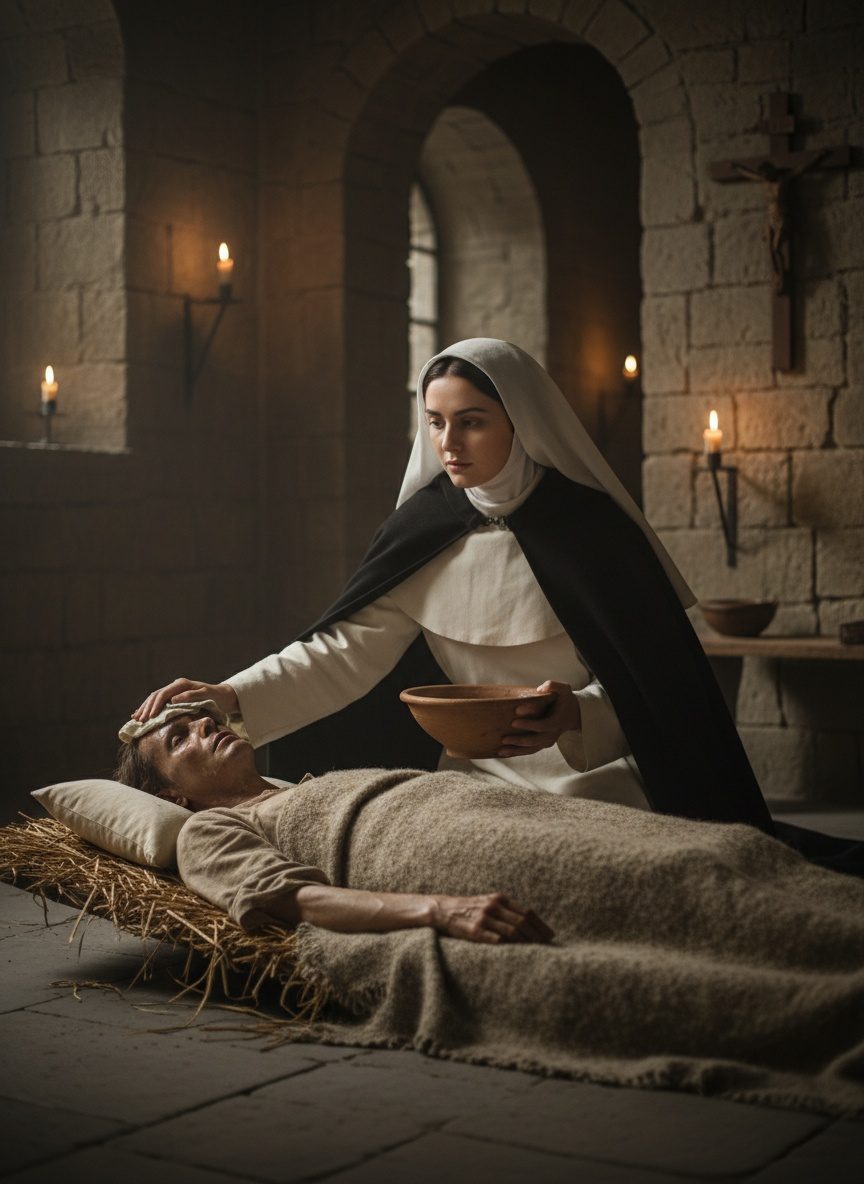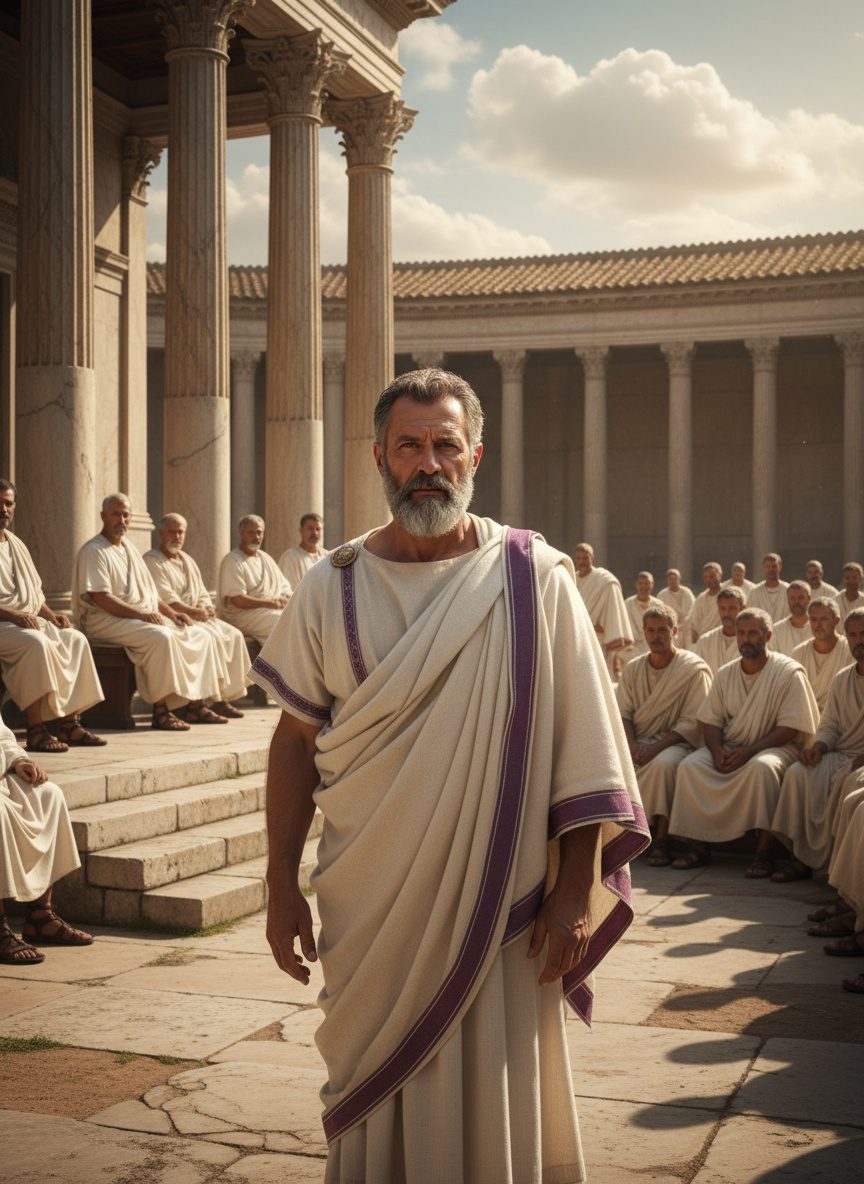
He was a masterful surgeon who used his scalpel to rescue not just patients, but their imperative stories. On the night the world would remember as Kristallnacht, Dr. Ludwig Guttmann wielded this tool from the driver’s seat of his car, transforming a corridor of terror into a passage of survival.
The Night the Synagogues Burned
On November 9, 1938, the night sky across Germany was ablaze with the flicker of desecrated synagogues. This was Kristallnacht, a tragic prelude to the Holocaust, where Jewish lives were shattered alongside the glass of their businesses and places of worship. Yet, amidst the fog of complacency and complicity, one man, Dr. Ludwig Guttmann, stood at the precipice of despair armed with courage and defiance. At that time, he was not on shift at his hospital in Breslau, but he rushed there, determined to transform the hospital into a haven.
Unsanctioned and yet fortified by an unwavering moral compass, Guttmann admitted 64 Jewish men who had been rounded up in the brutal sweeps of Kristallnacht. The act was lunacy; openly defying Nazi orders could have sealed his fate, yet his dedication to his patients transcended the instinct of self-preservation. In the rooms of Städtisches Krankenhaus, each soul admitted echoed with silent prayers for deliverance as Guttmann worked tirelessly through the night, strategizing his patients' survival one case at a time.
As dawn's light spilled into the hospital halls, casting long shadows of uncertainty, the Gestapo arrived. Guttmann, the surgeon and now an unyielding advocate, faced the dreaded arm of the Nazi regime. Eyes inspecting, calculating, they moved through the ward where the doctor stood firm against authority, arguing each case with the precision of a scalpel cutting through deception. In one night, his impromptu courtroom tactics allowed 60 of the 64 men he hid to escape deportation. He had extended their lifelines, at least for a while.
Exile and New Horizons
Persecution couldn't silence Guttmann, but it drove him across borders. As Nazi terror escalated, Guttmann fled to England in 1939 with his family, a move facilitated by rising anti-Semitism and influence from British and global Jewish circles who recognized his brilliance. He carried with him both a haunted past and an unquenchable spirit. His new home in England opened new arenas for his talents, channeling them into a mission birthed from ruins.
At Stoke Mandeville Hospital near London, Guttmann was asked to establish a spinal injuries unit in 1944. World War II had forged a grim legacy of paralyzed veterans dismissed by traditional medical orthodoxy as beyond help, analogous to society's view of Jews in Nazi Germany. The medical establishment saw these veterans as 'hopeless' cases, fit only for warehousing rather than rehabilitation.
Guttmann revitalized the hospital with vigor, offering not just physical healing, but a restoration of dignity and purpose through sports. He believed fiercely in the therapeutic power of movement and camaraderie. This bold philosophy spurred paralyzed veterans into activity, transforming bleak wards into vibrant arenas of competition and recovery.
The Birth of the Paralympic Movement
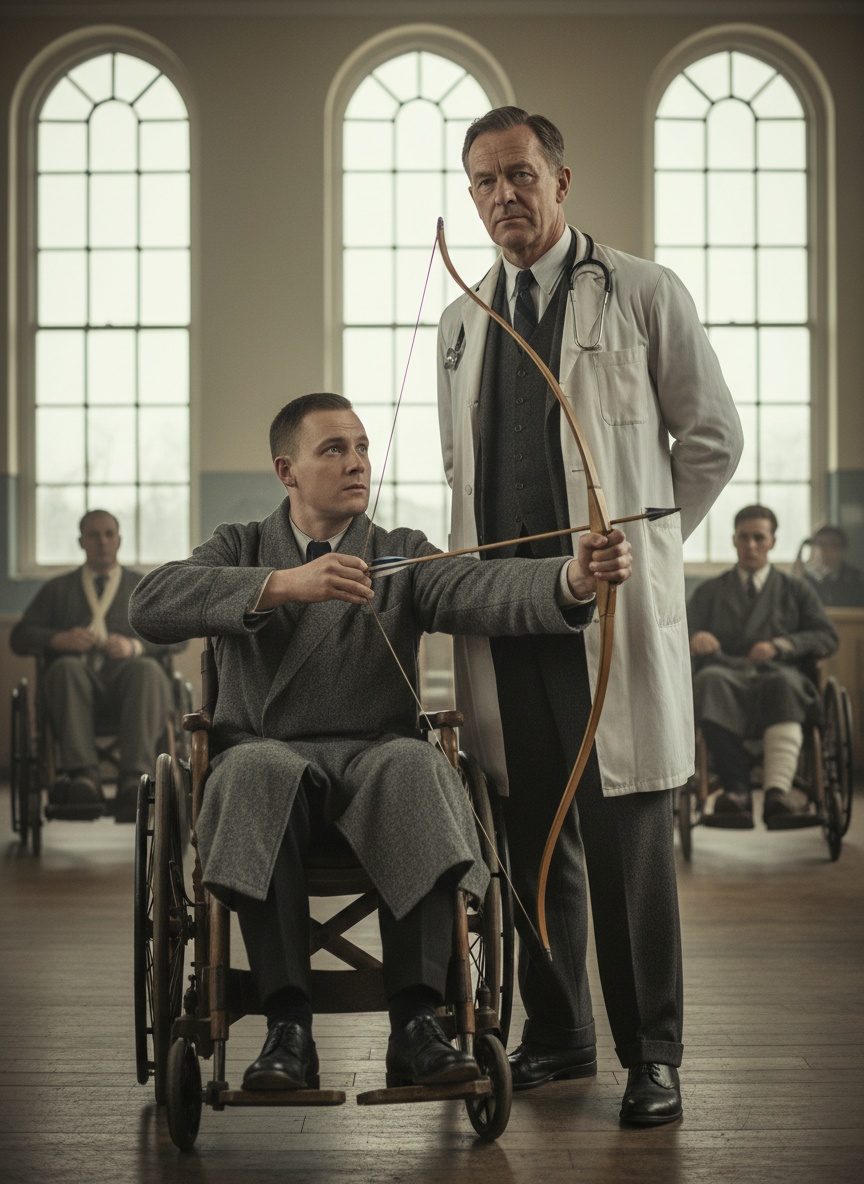
1948 dawned with renewed hope, and it was in this year, on the occasion of the London Olympics, that Guttmann organized an archery contest for disabled veterans—an event he dreamed could sit beside the Olympics in the annals of sport. What began as a small contest grew into the Stoke Mandeville Games, paving the humble path to the global phenomenon we know today as the Paralympic Games.
Guttmann's vision aligned with the dreams of the disabled community worldwide. By 1960, the inaugural Paralympics were held in Rome, attracting 400 athletes from 23 countries, a resplendent culmination of hope, resilience, and revolution in rehabilitation. The event underscored disabled athletes' capabilities, a compelling retort to a world often dismissive of both physical disability and the fight for survival, reminding all of the iron will that Dr. Guttmann had exemplified years earlier in Breslau.
A New Legacy of Courage
From the burning synagogues of 1938 to the celebratory inclusion of the disabled in 1960, Ludwig Guttmann's journey sweeps across continents and disciplines, embodying the essence of human tenacity. His tale is one of defining courage in the face of unspeakable fates, first in delivering condemned men from the grasp of a malevolent regime and later in affording paralyzed veterans the honor of competition and triumph.
It's a story that pierces through the shadows of history, reminding us that true healing involves more than mending bodies—it demands the renewal of hope and the revitalization of spirit. To each athlete partaking in the Paralympic Games, Guttmann's legacy whispers a simple truth: human worth transcends physicality and the supposed finality of accidents. In Gruttmann's hands, healing sparked like a torch, lighting a path towards dignity and inclusion across generations.