The morning air over Babylon was thick with anticipation, a palpable tension ebbing as the sun cast its first light over the grand walls of the city. The streets, usually bustling with the vibrant throng of Babylonian life, were eerily silent save for the whisper of the Euphrates. In 539 BC, the world’s most magnificent city had every reason to hold its breath. Beyond the massive gates, the army of Cyrus the Great was poised to march in. Yet what unfolded that day was not a tale of conquest and plunder, but a proclamation of unprecedented magnanimity.
The Quiet Surrender
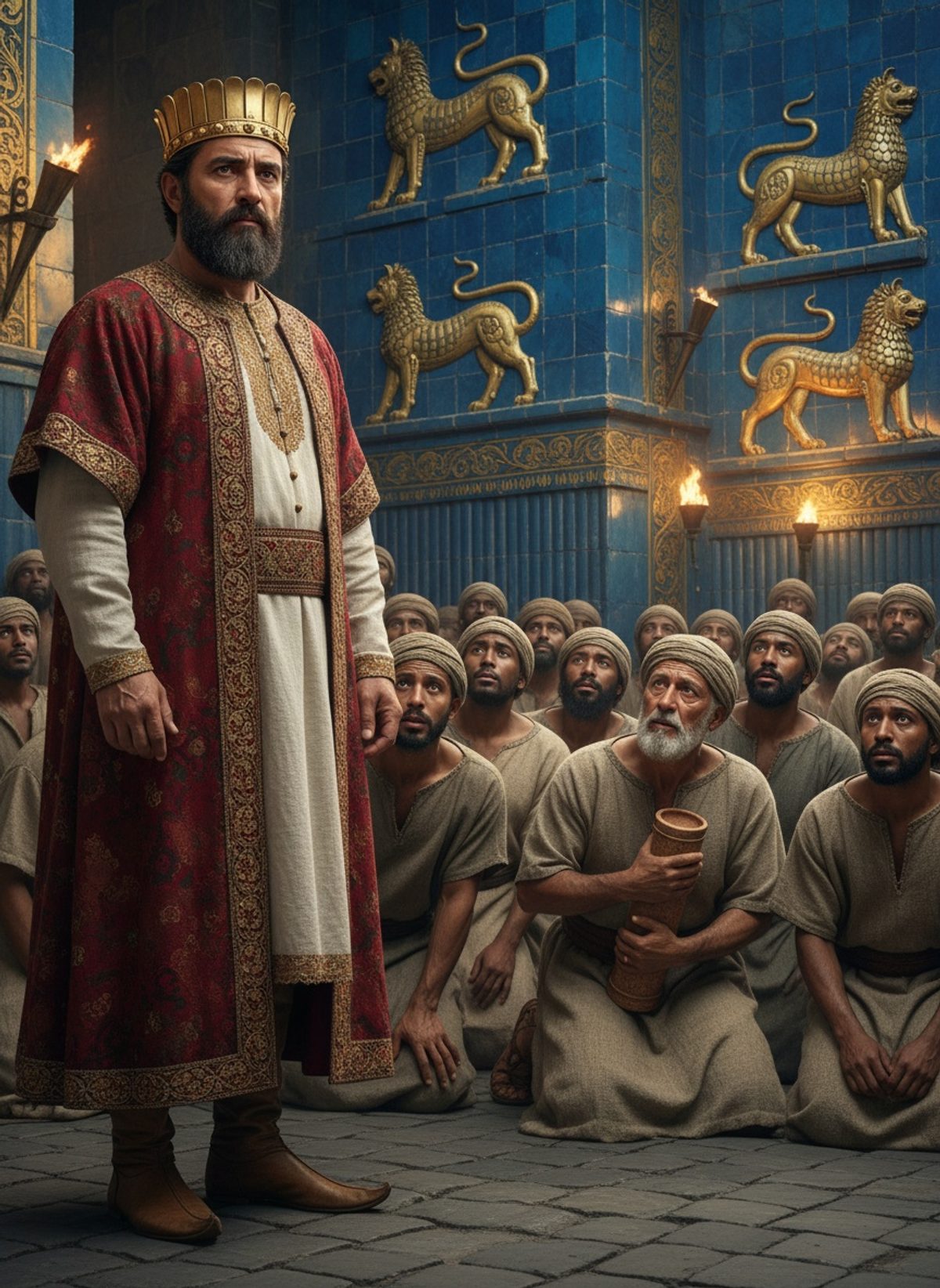
As the sun reached its zenith, a figure knelt at the Ishtar Gate. Gobryas, a seasoned general and now Babylon’s newly appointed governor under Cyrus, awaited the arrival of the man who had changed the fate of empires — and with it, the destiny of Babylon itself. The city's gates, which should have clanged shut in defiance, swung open to welcome the Persian king. It was an extraordinary capitulation, not born of fear, but a conviction that change had arrived with a promise of betterment. As Gobryas knelt, it wasn’t only to pay homage to a conqueror, but to a visionary who had vowed mercy to those in chains.
The Promise of Freedom
Within the grand halls of Babylon, echoes of liberation began to spread. Instead of seeking vengeance or exacting tribute, Cyrus issued a decree that resonated through the hearts of the oppressed. To every exile, he promised a return. The enslaved and captured peoples, from varied corners of his growing empire, could scarcely believe the edict — after years of displacement and isolation, they would go home. The decree of Cyrus was conveyed through the city like wildfire, igniting hope where despair had long reigned. Babylon had witnessed rulers before, from the mighty Hammurabi to the enigmatic Nebuchadnezzar, but none offered a gift as profound as freedom without strings attached.
Rebuilding More Than Walls
As the newly freed departed Babylon with Cyrus’s promise etched in their minds, the ripple effect of his generosity extended beyond just the people. The city’s temples, once symbols of Babylon's defiance, were not defiled or destroyed. Instead, Cyrus set in motion their restoration, respecting the cultural and religious fabrics that had been woven over centuries. The act was a stark departure from the norm — victors typically sowed seeds of dominance by erasing the past. But Cyrus, adept in the art of governance as much as war, knew that enduring power lay in the preservation of identities.
The Lasting Resonance
Cyrus’s unprecedented choice resonated throughout the ancient world not merely as strategic benevolence but as a revolutionary approach to leadership. History often glorifies tales of great conquests, yet here was an emperor who triumphed without strife. His Cylinder, often referred to as the first charter of human rights, remains a testament to his intention — that leadership should uplift rather than oppress. The people released from Babylonian captivity, including the Jews who would later rebuild Jerusalem with fervor, carried tales of a foreign king who acted with justice and mercy. It was a narrative the ancient world struggled to comprehend yet couldn’t ignore.
A Legacy Woven into Time
In relinquishing oppressive chains rather than tightening them, Cyrus the Great set a benchmark for humane leadership that echoed far beyond his era. The true conquest was not of lands or riches but of hearts and minds, achieved through compassion in a time when it was scarcely expected. The edict that allowed countless exiles to return home extended beyond the physical act; it was a statement that the strength of an empire lay in its capability for empathy. As we reflect on that pivotal moment when Gobryas knelt at the gate, we are reminded that momentous power can be wielded with grace, and that true greatness lies in making promises that reach into the future and mend the fractures of the past.