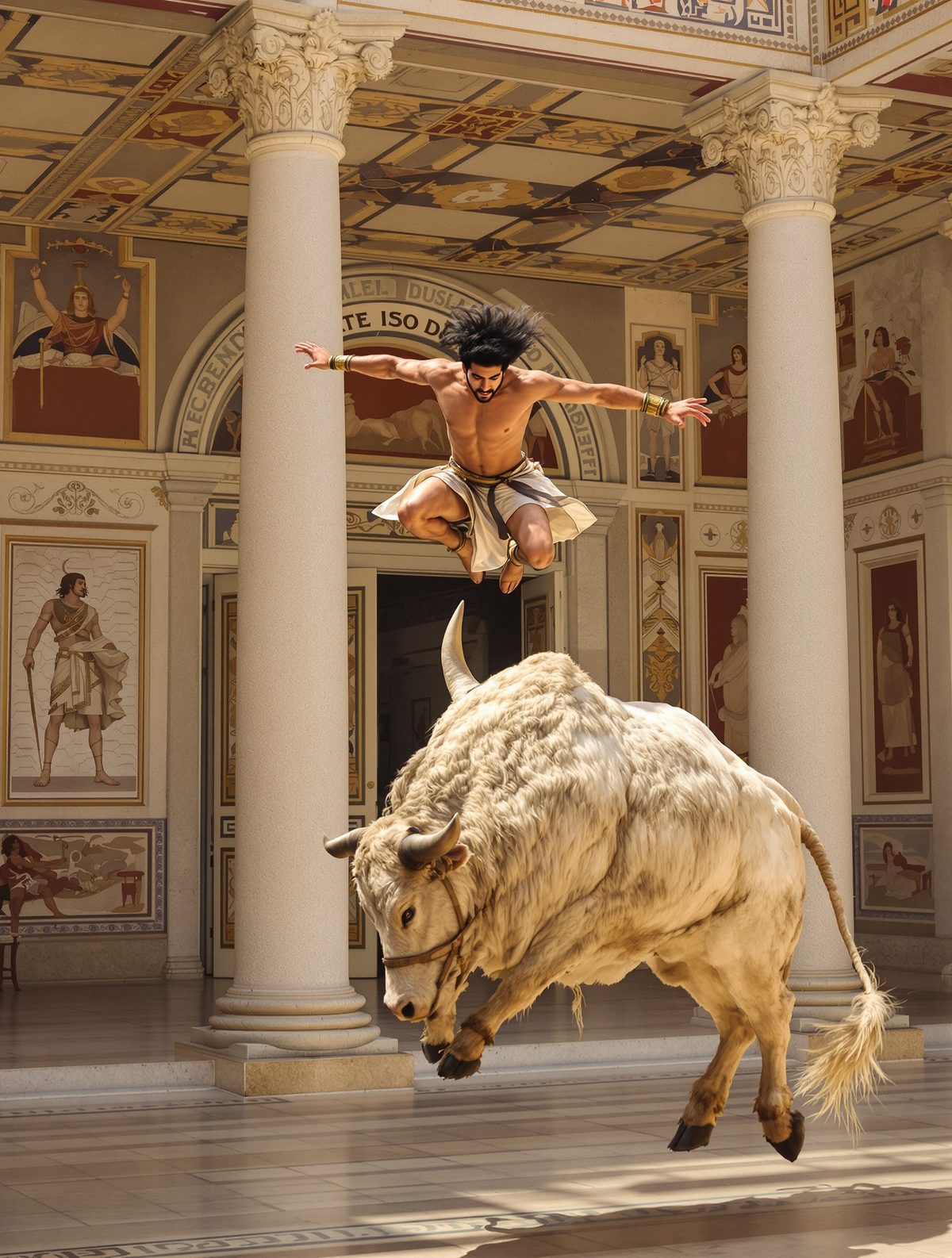
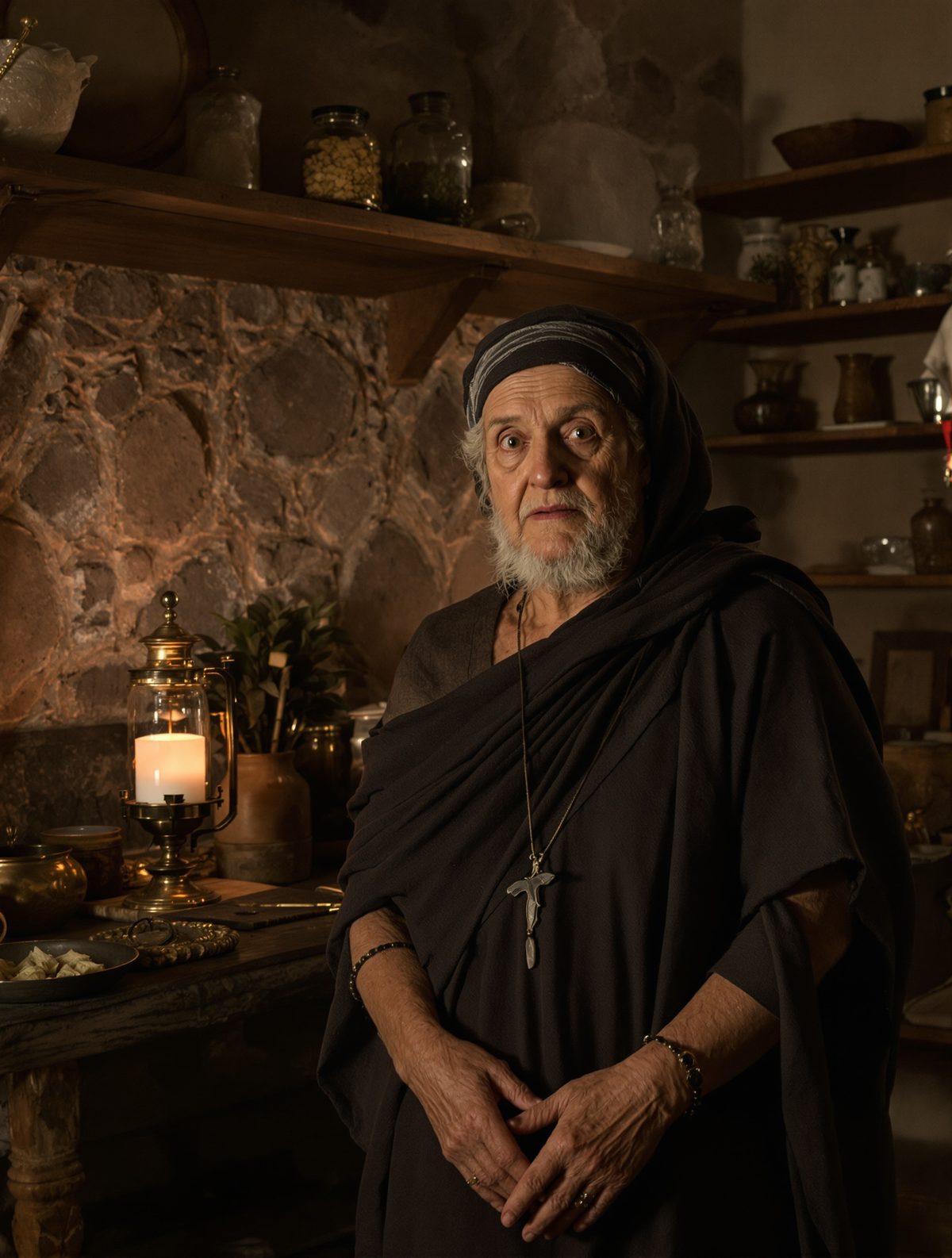
The morning mist still clung to the obsidian temples of Tenochtitlan when Tlacaelel emerged from his palace, jade ornaments catching the first rays of sunlight. It was the spring of 1486, and the wealthiest tax collector in the Aztec Empire was about to make his final collection. By sunset, his flayed skin would be stuffed with straw and paraded through the very streets where he once strutted in silk and feathers, transformed into a grotesque puppet that would haunt the nightmares of tax collectors for generations.
This is the story of how greed, imperial arrogance, and a sack of cocoa beans converged in one of history's most shocking acts of fiscal revenge.
The Golden Leech of Tenochtitlan
In the vast network of tribute that powered the Aztec Empire, few men wielded more financial terror than Tlacaelel. Named after the legendary architect of Aztec expansion, this particular Tlacaelel had built his own empire—not of conquest, but of calculated extortion dressed up as legitimate taxation.
By 1486, the Aztec Empire under Axayacatl's successor stretched from the Gulf of Mexico to the Pacific, encompassing over 400 city-states. Each conquered territory owed tribute to Tenochtitlan: cotton, obsidian, precious feathers, cacao, gold, and jade. The tribute records, meticulously kept on bark paper codices, reveal the staggering wealth flowing into the capital—equivalent to millions of dollars in today's currency from each major province annually.
Tlacaelel had positioned himself perfectly within this system. As a calpixqui (tribute collector), he wasn't just a government functionary—he was the human face of imperial power in dozens of conquered towns. But unlike his colleagues who simply collected what was owed, Tlacaelel had developed a more entrepreneurial approach to taxation.
His palace in Tenochtitlan rivaled those of blood nobles. Chroniclers describe walls lined with sheets of hammered gold, courtyards filled with exotic birds whose feathers were worth more than a commoner's annual income, and concubines adorned with emeralds from distant Guatemala. His wealth was so legendary that even the emperor's advisors whispered about the collector who lived better than princes.
The Art of Imperial Extortion
Tlacaelel's methods were as ingenious as they were ruthless. The official tribute demands were merely his starting point. Upon arriving in a conquered town with his retinue of warriors and scribes, he would conduct what he called "compliance inspections." Granaries would be measured, workshops examined, population counts verified. Invariably, these inspections revealed "shortfalls" that demanded immediate correction.
A town required to provide 400 cotton mantles would find itself accused of delivering inferior quality goods. The remedy? An additional 200 mantles of the finest weave, plus compensation for the "administrative burden" of the reinspection. A village owing 20 quills of gold dust would discover their scales were "inaccurate," requiring recalibration—and additional payment.
The genius of Tlacaelel's system lay in its pseudo-legality. He never directly contradicted imperial tribute demands; he simply found creative interpretations that multiplied them. His detailed records, kept in the Aztec numerical system, showed meticulous compliance with the letter of the law while violating its spirit on an industrial scale.
Local rulers faced an impossible choice: pay Tlacaelel's inflated demands or face accusations of rebellion against the empire. In a world where suspected rebels were sacrificed atop temple pyramids, their hearts torn out while still beating, most chose to pay. But not all.
The Trap in Tlaxcala
The independent city-state of Tlaxcala had always been a thorn in the Aztec Empire's side. Surrounded by Aztec territory but never fully conquered, Tlaxcala maintained its independence through a combination of military prowess and strategic diplomacy. The town of Texcalac, on the Tlaxcalan border, occupied a particularly precarious position—technically Aztec tributary territory, but with deep cultural and family ties to free Tlaxcala.
When Tlacaelel arrived at Texcalac in late spring 1486, he found a town seething with resentment. His previous visits had drained their reserves through his usual methods of creative taxation. The local ruler, a man named Tlazohteotl, greeted the tax collector with all the proper ceremonies: flower petals scattered before his litter, incense burning in clay braziers, and the ritual presentations of food and drink.
But behind the diplomatic smiles, a different conversation was taking place. Texcalac had secretly aligned itself with free Tlaxcala, and Tlaxcalan warriors were already positioned throughout the town. The tribute that Tlacaelel had come to collect would indeed be paid—but not in the currency he expected.
The trap was sprung during the tribute ceremony itself. As Tlacaelel sat on his portable throne, examining the town's offerings and undoubtedly calculating his usual "adjustments," Tlaxcalan warriors emerged from concealment. The tax collector's own guards, outnumbered and caught completely off-guard in what should have been a routine collection, were quickly overwhelmed.
Currency of Flesh and Blood
What happened next shocked even the violence-accustomed sensibilities of Mesoamerica. Rather than simply killing Tlacaelel—which would have been a straightforward act of rebellion—the Tlaxcalans chose to make him into a living symbol of their contempt for Aztec fiscal oppression.
They began by stripping him of his elaborate costume: the feathered headdress worth a year's tribute, the gold arm bands, the jade lip plugs that marked his elevated status. Then came the ritualistic reversal of everything Tlacaelel represented. Where he had demanded gold, they offered him copper. Where he had required fine cotton, they presented maguey fiber. And where he had always insisted on the highest quality goods, they prepared to give him the lowest possible currency in Mesoamerican trade: cocoa beans.
The flaying began at dawn. Unlike the ritual flaying associated with the god Xipe Totec—which was performed on already-dead sacrifice victims—this was designed to keep Tlacaelel alive as long as possible. Skilled Tlaxcalan priests, experts in the anatomy required for their religious ceremonies, carefully removed his skin in large pieces, starting with his extremities and working inward.
As each section of skin was removed, it was immediately treated with salt and lime to preserve it. The psychological torture was as calculated as the physical: Tlacaelel was forced to watch as his own skin was prepared for its final purpose.
The Macabre Message
By evening, Tlacaelel's skin had been sewn back together and stuffed with straw, creating a grotesque puppet that bore his likeness but was filled with worthless materials—a physical metaphor for how the Tlaxcalans viewed Aztec promises and demands. The puppet was then seated on a miniature litter and surrounded by sacks of cocoa beans, the lowest-value currency in Mesoamerican trade.
But the Tlaxcalans weren't finished. They sent the skin-puppet back to Tenochtitlan with a formal tribute delivery, accompanied by Tlacaelel's surviving attendants and a carefully worded message. The tribute, they explained, had been calculated using Tlacaelel's own innovative methods. The skin represented the "premium quality" goods he always demanded. The cocoa beans were payment for the "administrative burden" he had always imposed. And the straw stuffing? That was compensation for all the times he had declared their legitimate tribute "insufficient."
The message was clear: if the Aztec Empire wanted to send tax collectors who acted like bandits, those collectors would be treated accordingly. The skin-puppet arrived at Tenochtitlan's main market on a busy trading day, ensuring maximum exposure for its gruesome message.
Legacy Written in Fear and Flesh
The fate of Tlacaelel sent shockwaves through the Aztec administrative system. For the first time, tribute collectors throughout the empire had to confront the possibility that their victims might fight back—not against the empire itself, but against the individual abuses that had made the tribute system so personally profitable for corrupt officials.
Emperor Axayacatl's response was swift and brutal. Within months, a major military expedition marched on Texcalac. But the town had already been abandoned, its population having fled to free Tlaxcala territory. The Aztecs found only empty buildings and a single message painted on the temple wall: a pictograph showing a scale with gold on one side and human skin on the other.
More importantly, the incident marked a turning point in Aztec tribute collection methods. Subsequent tax collectors were assigned larger military escorts and were required to follow standardized procedures that left less room for creative interpretation. The age of the freelance tribute entrepreneur had come to a bloody end.
Tlacaelel's story serves as a timeless reminder that systems of power, no matter how seemingly absolute, contain within them the seeds of their own resistance. His transformation from imperial agent to stuffed puppet illustrates how individual greed can undermine even the mightiest empires—and how those who profit from others' suffering often pay the ultimate price when their victims find the courage to fight back.
In today's world of tax havens, corporate exploitation, and wealth inequality, the image of that straw-stuffed skin making its final journey to Tenochtitlan remains hauntingly relevant. Power may corrupt, but as the Tlaxcalans demonstrated in 1486, corruption always carries the risk of its own gruesome reckoning.