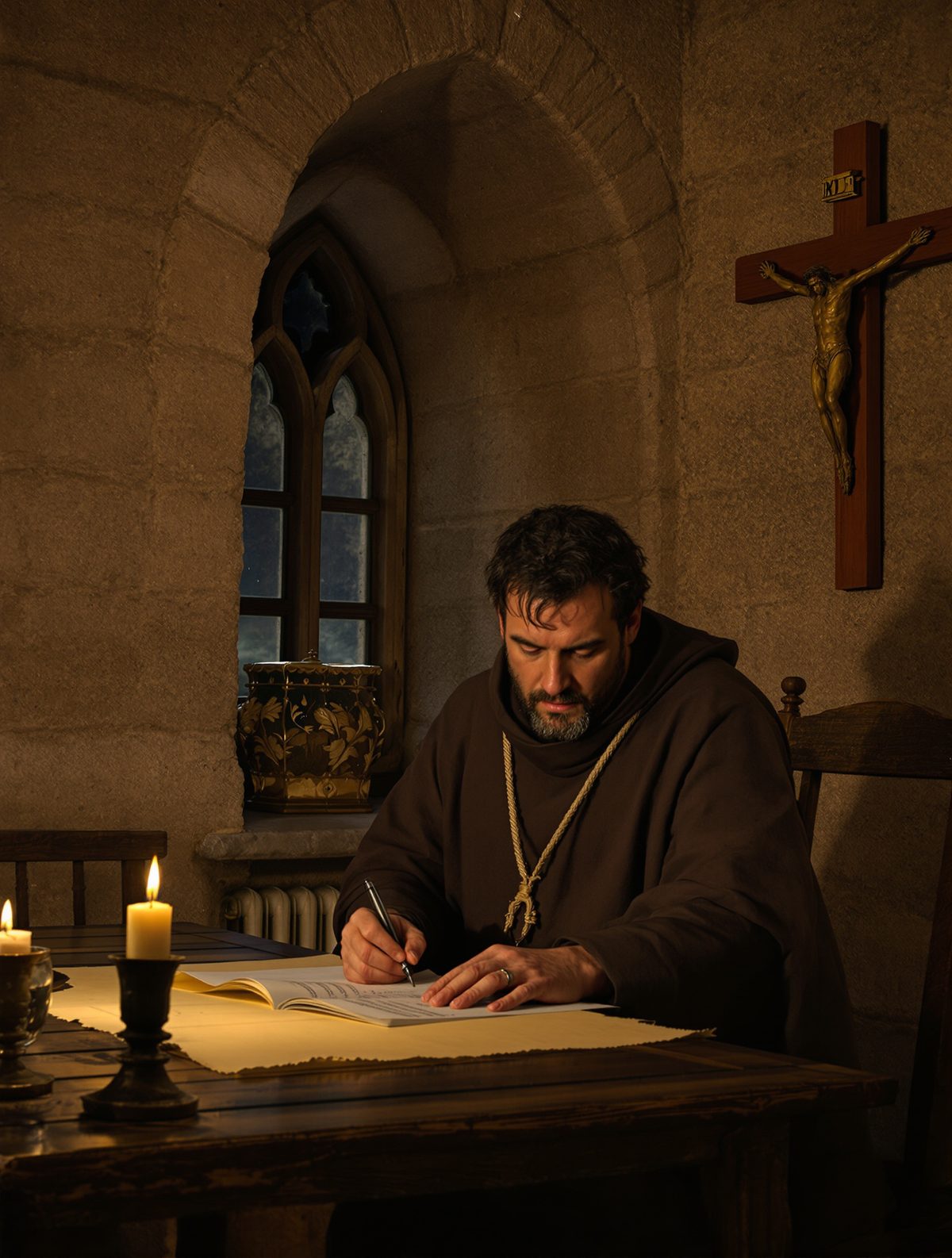
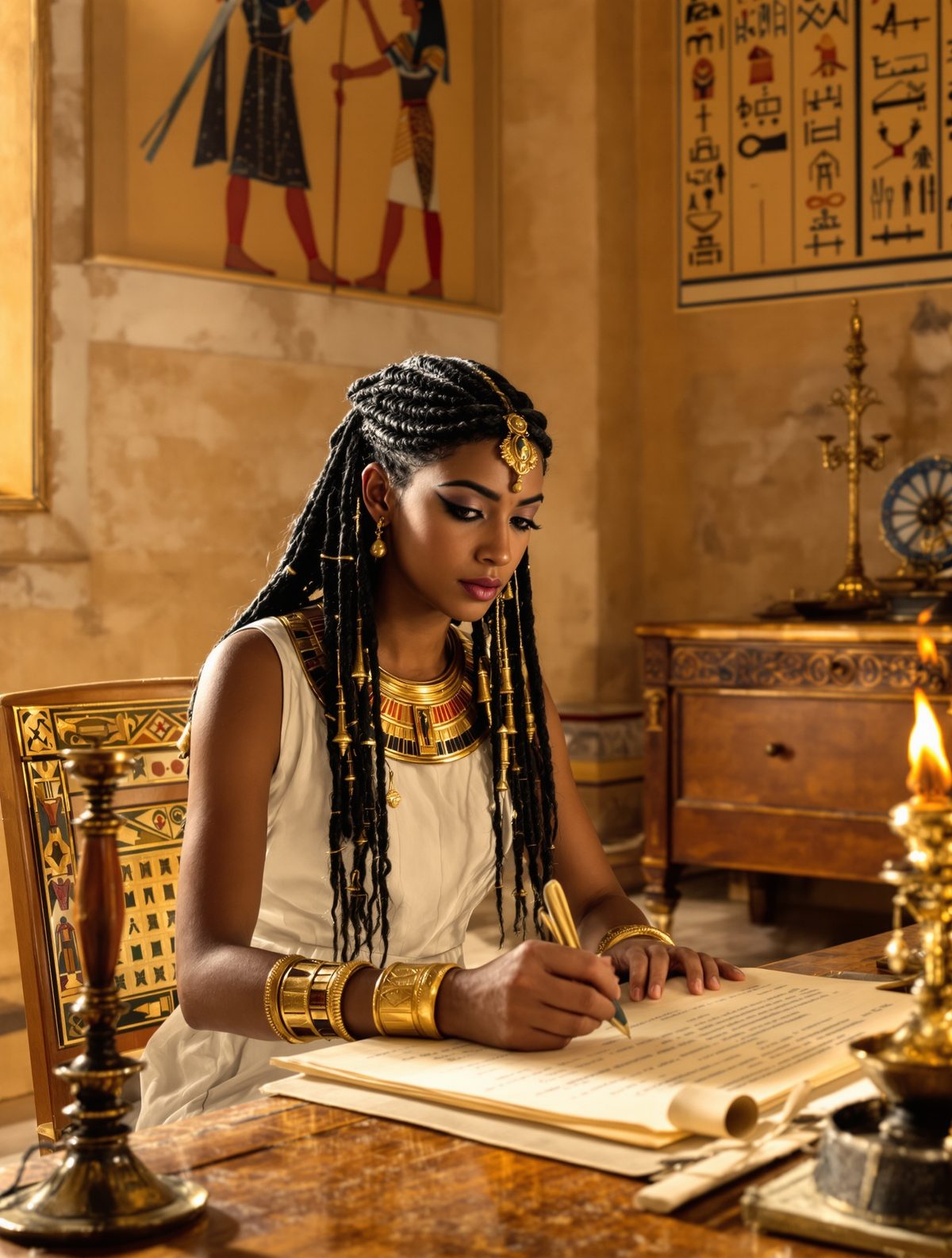
The obsidian blade caught the morning light as it plunged toward the fifteen-year-old prince's chest. Young Nezahualcoyotl threw himself sideways, the weapon missing his heart by inches as his father's screams echoed through the palace halls. In 1418, the kingdom of Texcoco was drowning in blood, and its rightful heir was about to become either a corpse or the most unlikely fugitive in Mesoamerican history. What happened next would reshape an entire civilization.
Most people have heard of Montezuma and the mighty Aztec Empire, but the name Nezahualcoyotl remains buried in the footnotes of history. That's a tragedy, because this exiled prince would return from the wilderness to build the most enlightened kingdom the Americas had ever seen—a realm where poetry mattered more than human sacrifice, where justice flowed like water through ingenious canals, and where a warrior-philosopher proved that power and wisdom could walk hand in hand.
The Night the Kingdom Died
The trouble began with a love triangle that would make Shakespeare weep. Tezozomoc, the ancient ruler of Azcapotzalco, had arranged for his daughter to marry Nezahualcoyotl's father, Ixtlilxochitl I of Texcoco. But the Texcocan king's heart belonged elsewhere—to a woman whose beauty was legendary throughout the Valley of Mexico. When Ixtlilxochitl chose love over political alliance, he signed his kingdom's death warrant.
Tezozomoc's fury was volcanic. The spurned emperor commanded his son Maxtla to crush Texcoco and drag its rebellious king to his knees. On that blood-soaked morning in 1418, young Nezahualcoyotl watched helplessly as enemy warriors stormed through his palace, hunting for royal blood. His father fell defending the throne room, and in that moment, the fifteen-year-old prince faced an impossible choice: die with honor beside his father's body, or flee and live to fight another day.
He chose survival, and it nearly broke him. For six years, Nezahualcoyotl lived like a ghost haunting his own former kingdom. He slept in caves, foraged for food, and trusted no one completely. The Azcapotzalco forces had placed a massive bounty on his head—enough gold to buy a small city. Every face could belong to an assassin, every shadow could hide a blade.
But exile taught the young prince something his palace tutors never could: how to truly see his people. Disguised as a common traveler, he witnessed the grinding poverty that Maxtla's tyranny had brought to Texcoco. He saw children starving while tribute flowed to Azcapotzalco's coffers, and farmers abandoning their fields because the tax collectors took everything anyway. These images burned themselves into his memory, and they would shape everything he did when—if—he ever reclaimed his throne.
The Impossible Alliance
By 1422, Nezahualcoyotl had transformed from a terrified teenager into a calculating political strategist. He understood that raw vengeance would only perpetuate the cycle of violence that had consumed his homeland. Instead, he began weaving a web of alliances that would have impressed Machiavelli himself—nearly a century before The Prince was ever written.
His masterstroke was forging an alliance with Tenochtitlan, the rising Aztec power that was itself chafing under Azcapotzalco's dominance. Nezahualcoyotl convinced the Aztec leaders Itzcoatl and his nephew Tlacaelel that Maxtla's growing power threatened them all. Together, they could shatter the Tepanec Empire and reshape the entire Valley of Mexico.
The alliance seemed impossible on paper—a landless exile, a relatively small Aztec city-state, and a handful of other rebellious towns against the mighty Azcapotzalco Empire that had dominated central Mexico for generations. But Nezahualcoyotl brought something invaluable to the partnership: intimate knowledge of Texcoco's geography, an unshakeable claim to legitimacy, and a burning desire for justice that inspired warriors to follow him even when victory seemed hopeless.
When the war finally came in 1428, it was swift and brutal. The allied forces struck like a thunderbolt, catching Maxtla's armies off guard. After years of careful planning, the actual conquest of Azcapotzalco took just 117 days. Nezahualcoyotl finally stood over his father's killer, obsidian blade in hand, the wheel of vengeance complete.
What he did next shocked everyone who knew him.
The Philosopher King Emerges
Instead of the bloodbath his enemies expected, Nezahualcoyotl chose mercy. Rather than executing every Tepanec noble and salting the earth of their cities, he integrated the conquered territories into a new political arrangement that historians now call the Triple Alliance—with Texcoco, Tenochtitlan, and Tlacopan sharing power across central Mexico.
But Nezahualcoyotl's real revolution happened at home in Texcoco. The young king who had once fled through his palace's burning corridors returned to build something unprecedented in Mesoamerican civilization. He didn't just want to rule—he wanted to create a kingdom worthy of the poets and philosophers he'd met during his years in exile.
His first shocking decree? The abolition of human sacrifice throughout his realm. In a world where cutting out hearts to appease the gods was as routine as morning prayers, this was nothing short of revolutionary. Nezahualcoyotl declared that the gods required no blood offerings—only flowers, incense, and food. His priests initially resisted, but the king held firm. Violence had consumed enough of his life; his kingdom would choose a different path.
Even more radical was his approach to justice. Nezahualcoyotl created a legal code with 80 different laws that applied equally to nobles and commoners—another concept that seemed insane to his contemporaries. A noble who stole faced the same penalties as a peasant. Adultery, theft, and treason carried specific punishments that couldn't be avoided through bribery or bloodline. The king even created a network of secret judges who would disguise themselves as commoners to ensure his laws were being followed fairly throughout the kingdom.
Gardens of Wonder in a Harsh World
But Nezahualcoyotl's greatest achievement wasn't military or political—it was cultural. The boy who had hidden in caves grew up to build some of the most magnificent gardens and palaces the world had ever seen. His capital city became a living poem, where engineering marvels supported artistic wonders that left visitors speechless.
The crown jewel was his botanical garden, where over 2,000 different plant species from across Mesoamerica grew in carefully designed landscapes. Nezahualcoyotl didn't just collect pretty flowers—he created the world's first systematic botanical preserve, where scholars could study medicinal plants and agricultural techniques. Long before European universities had departments of natural philosophy, Texcoco was conducting organized scientific research.
His palace complex covered nearly 40 acres and included artificial lakes, waterfalls, and architectural marvels that seemed to defy gravity. Spanish conquistadors who saw the ruins decades later compared them to the hanging gardens of Babylon. The king's private study contained a library with books written in bark paper and deer hide—one of the largest collections of written knowledge in the pre-Columbian Americas.
Yet Nezahualcoyotl never lost his common touch. Every week, he held public audiences where any citizen could petition the king directly. He walked through his capital's markets in simple clothes, listening to merchants and farmers. The boy who had lived as a fugitive never forgot that a ruler's first duty was to his people's welfare, not his own glory.
Perhaps most remarkably, this warrior-king was himself a poet whose verses were still being recited when the Spanish arrived a century later. His most famous poem began: "I love the song of the mockingbird, bird of four hundred voices. I love the color of jade and the enervating perfume of flowers, but more than all I love my brother, man."
The Legacy That Conquered Time
Nezahualcoyotl ruled for 40 years, dying peacefully in 1472—a remarkable feat in an era when most kings met violent ends. By then, Texcoco had become the intellectual and cultural heart of Mesoamerica. Poets, scholars, and artists from across the region flocked to his court. His botanical gardens supplied medicine to kingdoms hundreds of miles away. His legal codes influenced law throughout the Triple Alliance.
More importantly, he had proven that indigenous American civilizations could create societies based on learning, justice, and beauty rather than conquest and sacrifice. While European powers were burning heretics and waging brutal religious wars, this supposed "savage" had built a kingdom where different beliefs coexisted and knowledge flourished.
When Spanish conquistadors arrived in 1519, they found Nezahualcoyotl's descendants still ruling a prosperous, peaceful kingdom. The conquerors were so impressed by Texcoco's achievements that many Spanish chroniclers wrote detailed accounts of its wonders—accounts that are among our best sources for understanding pre-Columbian Mexican civilization.
Today, Nezahualcoyotl remains virtually unknown outside Mexico, his achievements overshadowed by the more sensational stories of Aztec emperors and Spanish conquistadors. But his example speaks directly to our modern world's struggles with authoritarianism, environmental destruction, and social inequality. Here was a leader who chose justice over vengeance, wisdom over war, and beauty over brutality—and somehow made it work.
In an age when we desperately need leaders who can transform conflict into cooperation and vision into reality, perhaps it's time to remember the exiled prince who turned his kingdom into a garden and proved that even in humanity's darkest moments, hope can still take root and flourish.