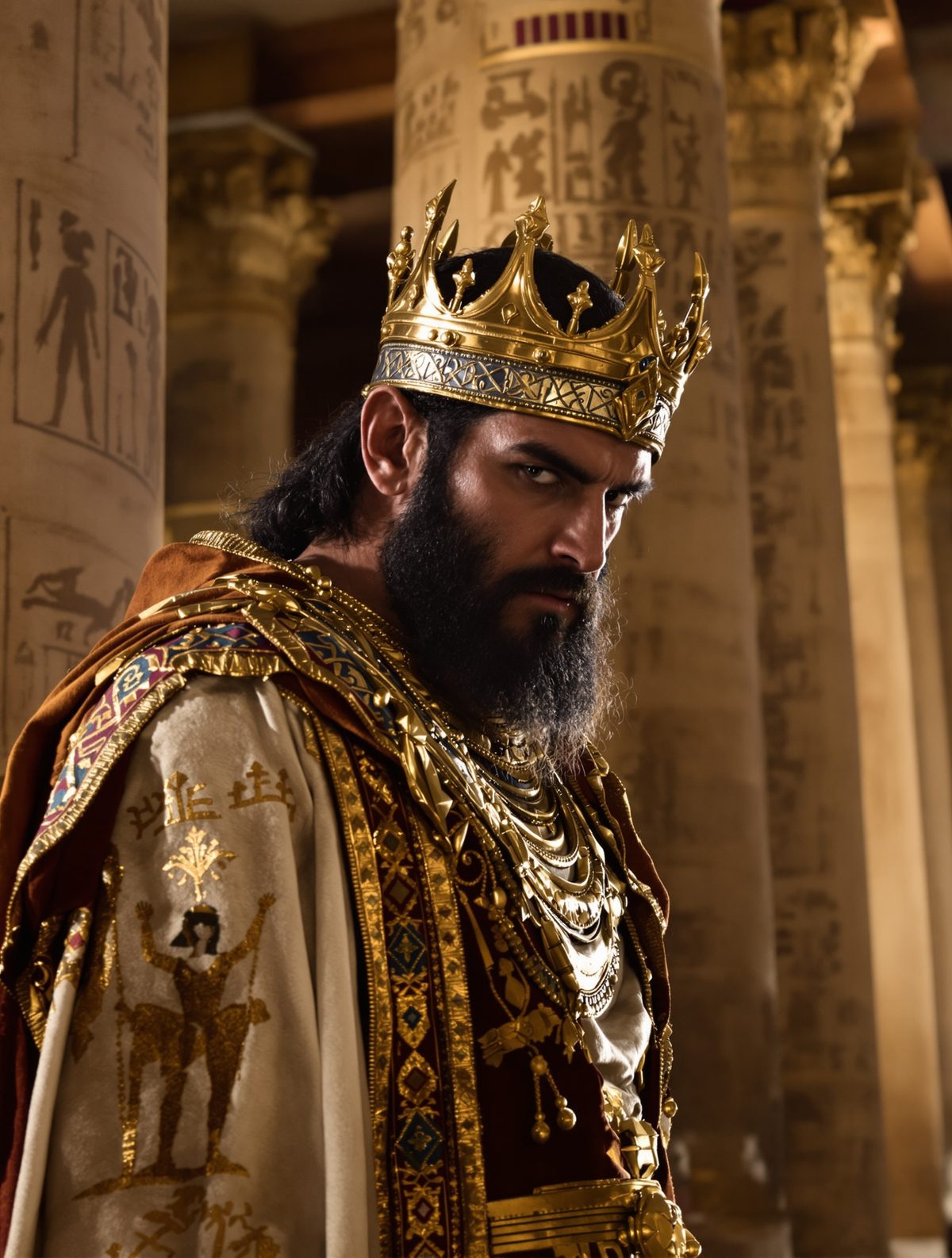
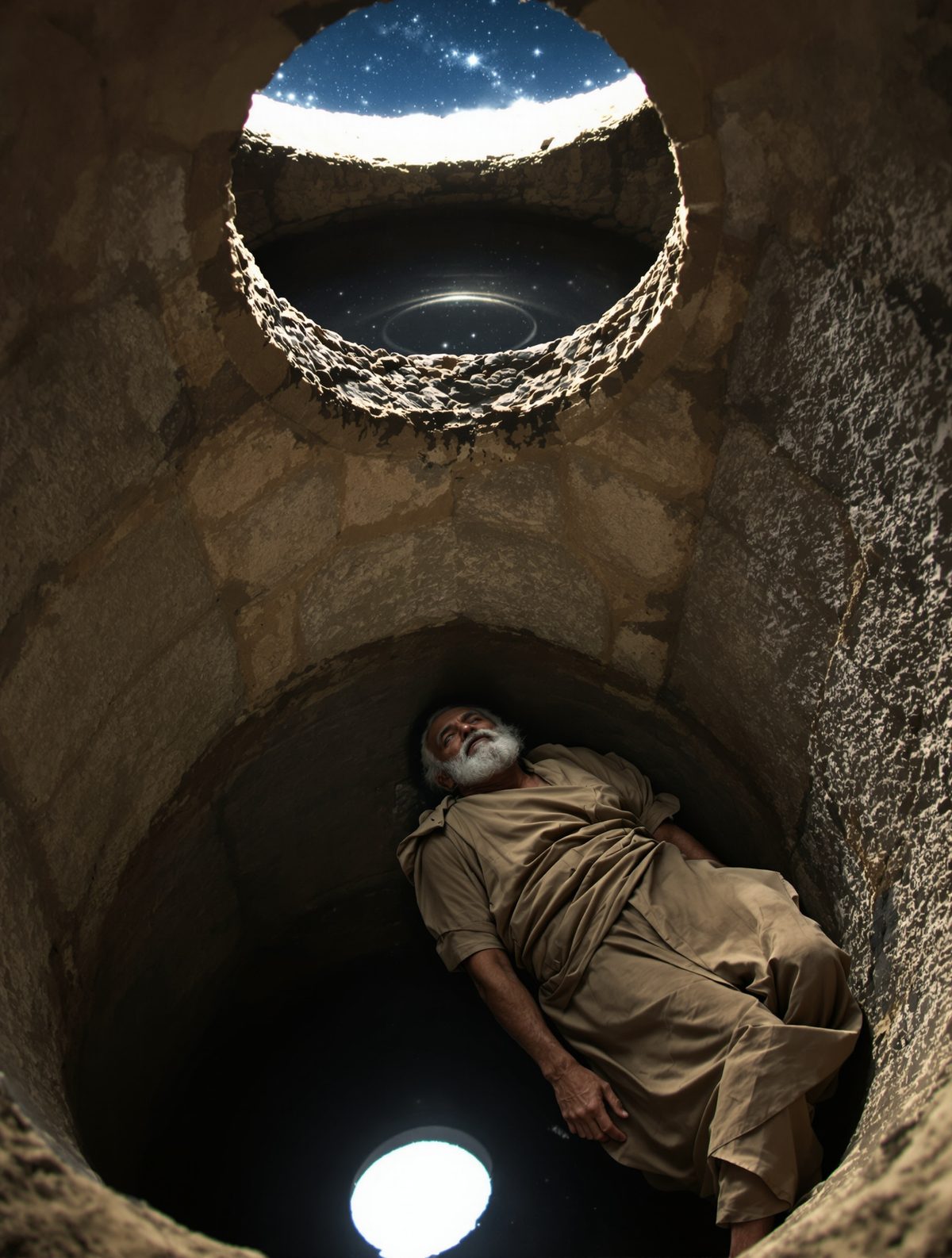
The horse stumbled on the rocky path, and in that split second of imbalance, Iceland's greatest warrior turned to steady himself. What he saw in that glance backward would seal his fate forever. Behind him lay Hlíðarendi—his green valley home with its sloping hills painted gold by the summer sun of 999 AD. Ahead waited a ship that would carry him into three years of exile, away from the only land he had ever loved. Gunnar Hámundarson, the man who had never lost a battle, faced the one choice that would define not just his legacy, but the very soul of what it meant to be Icelandic.
"How beautiful the slopes are," he whispered, and with those five words, chose death over departure.
The Making of a Legend
To understand why Gunnar's choice reverberated through medieval Iceland like thunder across the fjords, you need to grasp just how extraordinary this man was. Standing nearly six and a half feet tall—a giant by 10th-century standards—Gunnar possessed an almost supernatural combination of skills that made him the stuff of legend even in his own lifetime.
He could jump backward farther than most men could leap forward. He could swim in full armor. Most remarkably, he was ambidextrous with weapons, wielding sword and spear with equal deadly precision in either hand. But his signature weapon was something far more unusual: a massive halberd called Atgeir, which sang—literally sang—when violence was imminent. Medieval sources describe the weapon as making a ringing sound before battle, though whether this was the wind through its blade or something more mystical, no one could say.
Born around 950 AD in Hlíðarendi, in what is now southern Iceland, Gunnar grew up during the island's most tumultuous period. This was the age of blood feuds and honor killings, when a man's reputation meant everything and even the slightest insult could spark generations of vengeance. Yet remarkably, despite his fearsome abilities, Gunnar was known for his restraint. He killed only when forced to defend himself or his family—a rare quality in an age when many warriors sought violence for its own sake.
Paradise in the North Atlantic
Hlíðarendi wasn't just Gunnar's home—it was his paradise. Located in the fertile lowlands of southern Iceland, the estate encompassed some of the island's most beautiful and productive farmland. Here's what made it special: while much of Iceland was harsh volcanic rock and barren highlands, Hlíðarendi boasted rich soil perfect for growing hay and barley, essential for surviving the brutal winters.
The estate's name literally means "end of the slopes," and it sat where rolling green hills descended toward the coastal plains. From his hall, Gunnar could see across his fields to the distant mountains, including the iconic peak of Eyjafjallajökull—yes, the same volcano that grounded European air traffic in 2010. In summer, the landscape exploded in shades of green that seemed impossible so close to the Arctic Circle.
But Hlíðarendi represented more than just scenic beauty or agricultural wealth. In medieval Iceland, land ownership determined everything: political power, social status, and identity itself. A man without land was nobody—a rootless wanderer dependent on others' charity. For Gunnar, leaving Hlíðarendi meant abandoning not just his home, but his very sense of self.
The Blood Debt That Changed Everything
The chain of events that led to Gunnar's exile began with his marriage to Hallgerður Höskuldsdóttir, a woman of legendary beauty and equally legendary troublemaking abilities. The sagas describe her as having hair so long she could wrap herself in it like a cloak, but her stunning appearance masked a talent for stirring up conflicts that would make a reality TV producer weep with joy.
The trouble started over stolen cheese—yes, cheese. In 999 AD, food theft was serious business in Iceland's subsistence economy. Hallgerður's servants stole provisions from a neighbor named Otkel, who had previously quarreled with Gunnar over land rights. When Gunnar discovered the theft, he did the honorable thing: he offered to pay compensation. But Otkel, perhaps sensing an opportunity to humiliate his powerful neighbor, refused the offer and demanded a formal court hearing instead.
This escalated the dispute from a simple property crime to a matter of honor. In Iceland's complex legal system, refusing reasonable compensation was seen as a serious insult. Tensions mounted over several months, with both sides gathering supporters and exchanging increasingly heated threats.
The violence finally erupted in early 1000 AD, when Otkel and his men ambushed Gunnar while he was traveling. But they had made a fatal miscalculation—no one had ever defeated Gunnar in combat, and they wouldn't be the first. When the fighting ended, Otkel and two of his companions lay dead, while Gunnar stood unharmed among the carnage.
Justice and the Thing
Every summer, Iceland's most powerful chieftains gathered at Þingvellir (Thingvellir) for the Althing—one of the world's first parliaments. This wasn't democracy as we know it, but rather a complex system where legal cases were decided by panels of judges appointed by rival chieftains. The proceedings were part courtroom drama, part political theater, and part social event where Iceland's elite networked and schemed.
Otkel's family demanded justice for his death, and despite the fact that Gunnar had acted in self-defense, the case was far from simple. Medieval Icelandic law recognized the concept of self-defense, but it also held that any killing created a blood debt that had to be balanced. The victim's family could choose between accepting compensation (called weregild) or demanding harsher punishment.
Here's where the politics got messy: Gunnar had enemies among the chieftains who envied his wealth and influence. Led by a cunning lawyer named Mörður Valgarðsson, Otkel's supporters turned the legal proceedings into a broader attack on Gunnar's power. They argued that his pattern of killings—even in self-defense—made him a public menace who threatened Iceland's fragile peace.
After days of testimony and legal maneuvering, the judges reached their verdict: Gunnar would be sentenced to skóggangur—full outlawry—unless he agreed to leave Iceland for three years. It was actually a lenient sentence; full outlawry meant anyone could kill him without legal consequence. The three-year exile would allow tempers to cool and give him a chance to return home with honor intact.
The Moment That Stopped Time
And so we return to that fateful moment on the mountain path. Gunnar had accepted the Althing's judgment with the stoic dignity expected of a great warrior. He had made arrangements for his estate, said his farewells, and ridden toward the harbor where a ship waited to carry him to Norway. His friends and family had begged him to reconsider, but he seemed resigned to his fate.
Then his horse stumbled on loose stones, and everything changed.
The medieval chroniclers who recorded this moment understood its significance. In that backward glance, Gunnar saw more than just beautiful countryside—he saw his entire identity. The gentle slopes where he had played as a child, the fields he had worked with his own hands, the hall where he had hosted countless feasts for friends and neighbors. This wasn't just scenery; it was the physical manifestation of his soul.
"How beautiful the slopes are," he said to his companion, Kolskegg. "More beautiful than they have ever seemed to me before, golden slopes and new-mown hay. I am going back home, and I will not go away."
Kolskegg, understanding what this meant, tried one last time to change his friend's mind. "Do not let this whim of yours lead to your own undoing," he pleaded. But Gunnar had made his choice. He turned his horse around and rode back to Hlíðarendi, knowing he would never leave alive.
The Hero's Last Stand
Gunnar's decision transformed him from exile to outlaw in the eyes of the law. Now anyone could kill him without consequence, and his enemies moved quickly to take advantage. But this was still Gunnar of Hlíðarendi—they would need an army to bring him down.
The attack came at dawn on a crisp autumn morning in 1000 AD. Led by Gizurr the White and Geir the Priest—two powerful chieftains who had helped orchestrate his legal troubles—a force of nearly thirty armed men surrounded Gunnar's hall. They had expected to catch him sleeping, but the singing of his halberd had warned him of their approach.
What followed was the stuff of legend. Trapped in his hall with only his elderly mother and pregnant wife for company, Gunnar turned his home into a fortress. The attackers tried to storm the building but were driven back by arrows shot with supernatural accuracy—Gunnar could thread a needle with his bowshots. For hours, the battle raged, with the greatest warrior in Iceland holding off thirty enemies single-handedly.
The end came when his enemies finally managed to break his bowstring. In one of the most poignant moments in medieval literature, Gunnar asked his wife Hallgerður—the same woman whose actions had started this whole tragedy—for two strands of her famous long hair to repair his bow. Her response sealed both their fates: "I shall now remind you of the slap you once gave me, and I do not care whether you hold out long or not."
Without his bow, Gunnar couldn't keep his enemies at bay indefinitely. They rushed the hall, and though he killed several more attackers in hand-to-hand combat, sheer numbers eventually overwhelmed him. He died as he had lived—on his feet, weapons in hand, defending his home.
The Power of Place in the Human Heart
More than a thousand years later, Gunnar's choice still resonates because it speaks to something fundamental about human nature: the deep, almost mystical connection between identity and place. In our modern age of global mobility and virtual communities, it's easy to forget how profoundly landscape can shape the soul.
But Gunnar's story suggests that for some people, leaving home isn't just difficult—it's a form of spiritual death. He chose physical death over what he saw as the death of everything that made him who he was. In Iceland, where the harsh environment made the bond between people and land a matter of survival, this choice transformed him from a great warrior into something more: a symbol of what it means to belong somewhere so completely that existence without it becomes unthinkable.
Today, as climate change and political upheaval force millions to leave their ancestral homes, Gunnar's story offers both inspiration and warning. It celebrates the fierce love of place that gives life meaning, while also showing how that same love can become a beautiful, terrible trap. Sometimes the slopes are too beautiful to leave behind—even when staying means everything.