In the opulent halls of the Forbidden City, Emperor Jiajing raised a small, gleaming pill to his lips. The year was 1566, and China's ruler had been swallowing these mercury-laced "elixirs of immortality" for over two decades. Around him, Taoist alchemists bowed reverently, assuring their emperor that each bitter dose brought him closer to eternal life. What they didn't tell him—what perhaps they didn't even realize—was that he was slowly, methodically poisoning himself to death, one pill at a time.
The irony would be almost comedic if it weren't so tragic: the most powerful man in the world, ruling over 100 million subjects, killed by his own desperate quest to live forever. This is the story of how an emperor's obsession with immortality became his doom—and how the very people he trusted to grant him eternal life became unwitting architects of his demise.
The Emperor Who Refused to Die
Zhu Houcong, better known as Emperor Jiajing, ascended to the Dragon Throne in 1521 at just 14 years old. For 45 years, he would rule the Ming Dynasty with an iron fist, overseeing an empire that stretched from the steppes of Mongolia to the tropical islands of the South China Sea. But as the decades passed, a consuming fear began to gnaw at the emperor: the fear of death.
Unlike many of his predecessors who accepted mortality as the natural order, Jiajing became obsessed with cheating death itself. By the 1540s, this obsession had transformed from a passing interest into an all-consuming mania. He dismissed Confucian scholars from his court—men who preached acceptance of natural cycles—and instead surrounded himself with Taoist mystics and alchemists who promised something far more appealing: immortality.
The emperor's transformation was startling to those who knew him. Once focused on governance and military campaigns, Jiajing increasingly retreated into his private chambers, poring over ancient texts about immortality and consulting with robed figures who claimed to hold the secrets of eternal life. Court officials whispered that their emperor had lost his mind, but none dared speak such treasonous thoughts aloud.
The Alchemists' Deadly Promise
The men who promised Emperor Jiajing immortality weren't charlatans in the traditional sense—they genuinely believed in their craft. Taoist alchemy had been practiced in China for over a thousand years, rooted in the belief that certain substances, when properly refined and consumed, could transform the human body into an immortal vessel.
At the heart of their practice was mercury, which they called "flowing pearl" or "liquid silver." To these alchemists, mercury's unique properties—liquid at room temperature, silvery and pure-looking, seemingly indestructible—made it the perfect substance for achieving immortality. They believed that consuming refined mercury would coat the internal organs with an imperishable silver lining, preventing decay and granting eternal life.
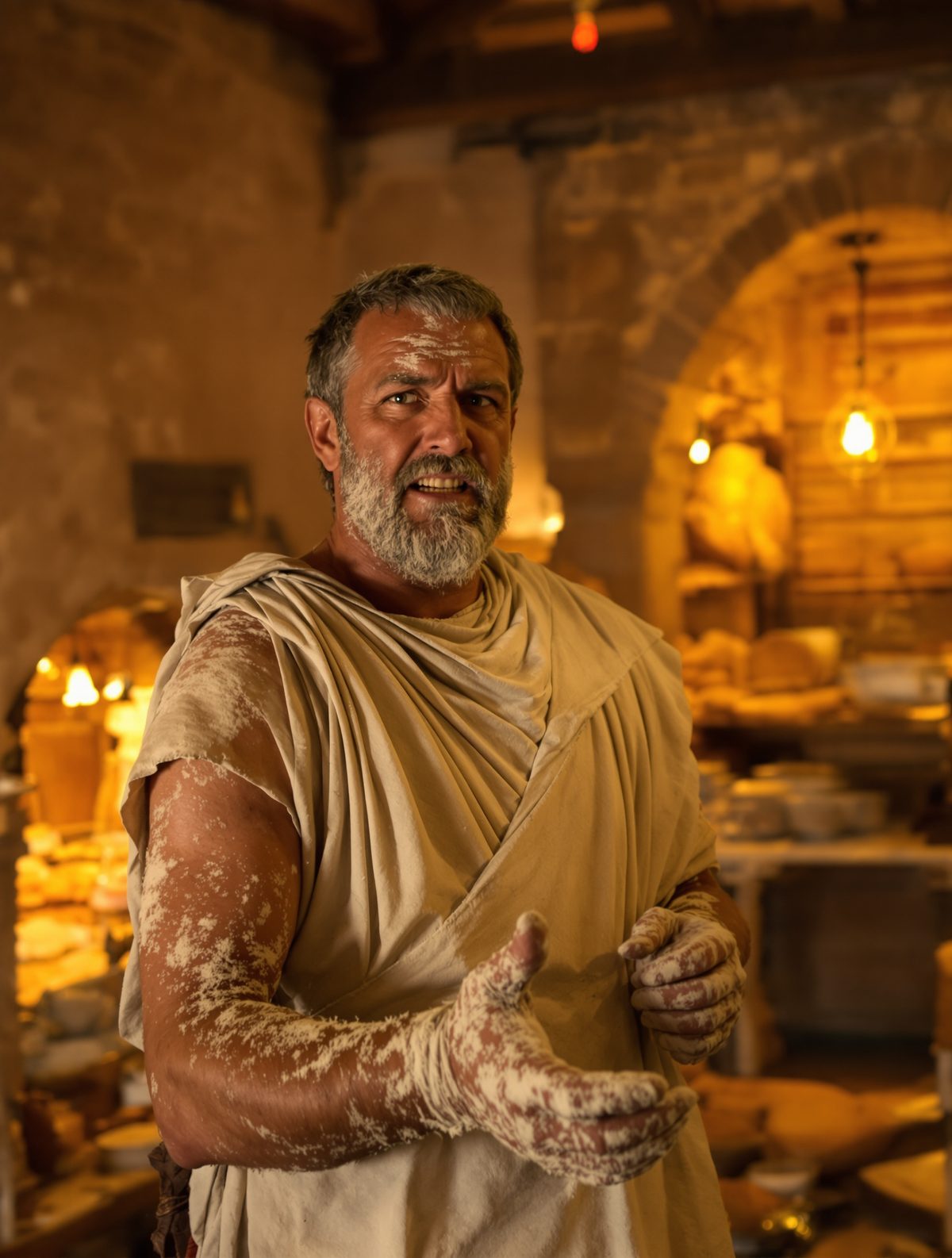
The imperial alchemists, led by figures like Duan Chaoyang and Wang Jin, constructed elaborate laboratories within the Forbidden City. These chambers filled with bubbling retorts, glowing furnaces, and shelves lined with mysterious powders and liquids. They worked day and night, combining mercury with sulfur, lead, and various herbs, creating pills they claimed grew more potent with each refinement.
What makes this story even more chilling is the meticulous records kept by the imperial pharmacy. According to surviving documents, the emperor consumed these mercury pills daily for over twenty years. Each pill contained approximately 0.5 grams of mercury—a dose that would be considered lethally toxic by today's standards, especially when consumed regularly over decades.
The Slow Descent into Madness
Modern toxicology reveals the horrifying truth of what was happening inside Emperor Jiajing's body. Mercury poisoning—or mercurialism—doesn't kill quickly. Instead, it's a slow, insidious process that attacks the nervous system, kidneys, and brain over months and years.
Historical accounts from the 1550s onward describe troubling changes in the emperor's behavior that align perfectly with mercury poisoning symptoms. Palace records note his increasingly erratic mood swings, flying into violent rages over minor infractions one moment, then falling into deep depression the next. His handwriting, once elegant and controlled, became shaky and erratic—a classic sign of mercury-induced neurological damage.
Court physicians noticed physical symptoms too: the emperor's gums began to recede and darken, his teeth became loose, and he developed a persistent tremor in his hands. He complained of constant fatigue and memory problems, often forgetting conversations that had taken place just hours before. His speech became slurred, and he sometimes struggled to recognize longtime courtiers and concubines.
Perhaps most tragically, as these symptoms worsened, the alchemists convinced Jiajing that they were actually signs of progress—evidence that his mortal body was transforming into an immortal one. They told him the trembling was his body vibrating with celestial energy, that his memory issues meant his mind was expanding beyond earthly concerns. The emperor, desperate to believe, increased his dosage.
The Empire Suffers
While Emperor Jiajing slowly poisoned himself in pursuit of immortality, his vast empire began to crumble around him. The mercury's effects on his cognitive abilities made him increasingly paranoid and unable to make sound administrative decisions. He became convinced that leaving the Forbidden City would somehow compromise his immortality treatments, so he refused to travel or inspect his territories—something previous emperors had done regularly.
This self-imposed isolation had catastrophic consequences. Japanese pirates, known as wokou, ravaged China's eastern coastlines throughout the 1550s and 1560s while the emperor remained locked away with his alchemists. The Grand Canal, China's crucial transportation artery, fell into disrepair because Jiajing was too paranoid to approve major public works projects, fearing they were plots against him.
Court officials grew increasingly frustrated with their absent ruler. Important state documents piled up unread for weeks while the emperor focused on his daily pill consumption rituals. Foreign ambassadors waited months for audiences that never came. The once-mighty Ming administrative system, dependent on strong imperial leadership, began to show serious cracks that would eventually contribute to the dynasty's downfall a century later.
The Final Irony
On January 23, 1567, Emperor Jiajing collapsed in his private chambers while preparing to consume his morning dose of mercury pills. According to palace physicians' reports, he experienced violent convulsions, his body temperature spiked dramatically, and he vomited blood—all classic symptoms of acute mercury poisoning, likely triggered by a particularly concentrated dose.
The man who had spent over two decades and countless fortunes pursuing immortality died at age 59—younger than he might have lived if he'd never touched the pills at all. The mercury that was supposed to preserve his body had instead systematically destroyed it, attacking his nervous system, kidneys, and digestive tract until they could no longer function.
In a final cruel irony, the emperor's body showed signs of severe mercury contamination even after death. Palace embalmers noted that his corpse had an unusual silver sheen and seemed to resist normal decomposition—not because he had achieved immortality, but because mercury is an extremely effective preservative that had essentially pickled his organs from the inside.
The surviving alchemists, faced with the undeniable failure of their methods, fled the Forbidden City in terror. Some were later captured and executed, though whether for their incompetence or their success in slowly murdering the emperor remains unclear from historical records.
Why This Matters Today
Emperor Jiajing's tragic story resonates powerfully in our modern age of miracle cures and anti-aging obsessions. His tale serves as a haunting reminder that the fear of death can lead even the most powerful people to make catastrophically poor decisions about their health.
Today, we see echoes of Jiajing's desperation in everything from unregulated supplements promising eternal youth to wealthy individuals pursuing dubious life-extension treatments. The emperor's story reminds us that throughout history, those who promise to cheat death have rarely been able to deliver—and that sometimes, the cure truly is worse than the disease.
Perhaps most importantly, Jiajing's obsession with personal immortality blinded him to his responsibility as a leader. While he consumed his daily mercury pills in isolation, his empire suffered and his people paid the price. It's a sobering reminder that leaders who become too focused on their own mortality may lose sight of the legacy they're actually creating—and that the pursuit of living forever can sometimes prevent us from truly living at all.