He was a hunted fugitive. Yet, he offered a hand in healing to the man who sought his demise.
The Fall of Texcoco
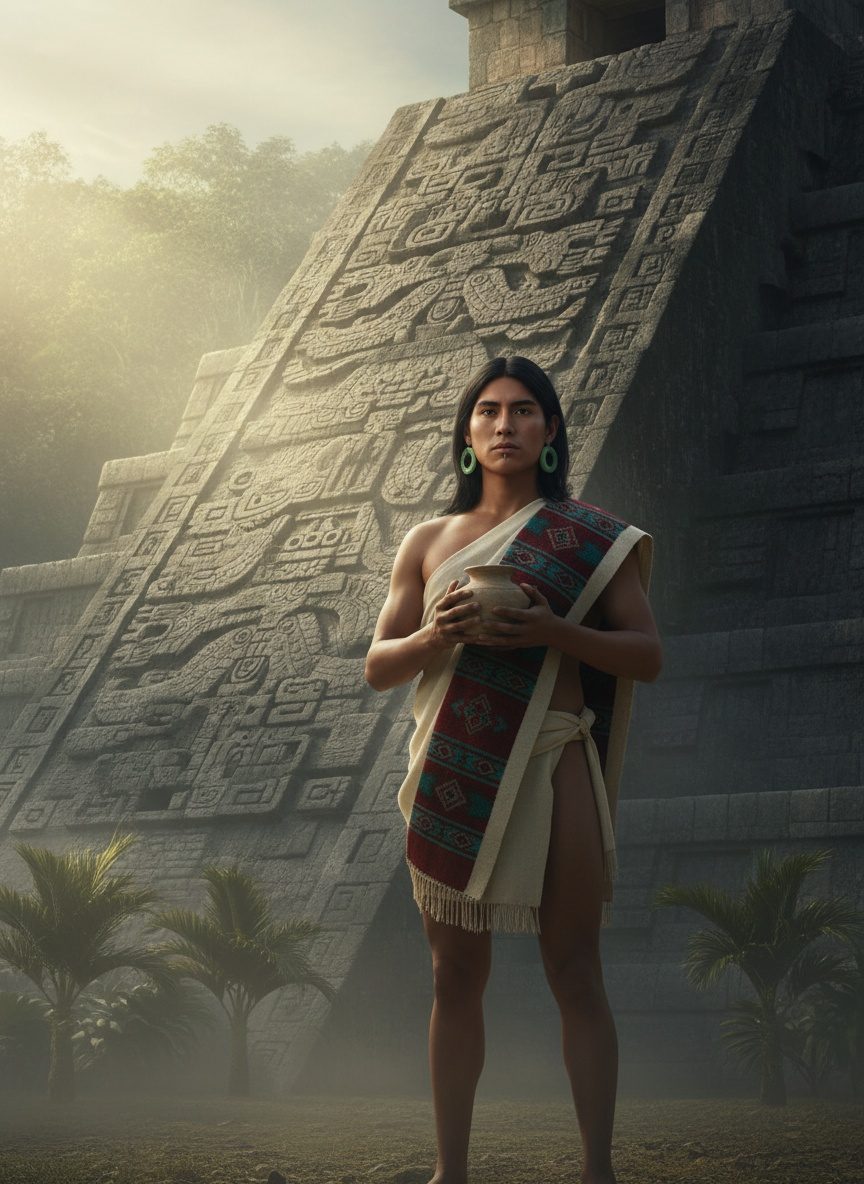
Towering stone temples mirrored the majesty of the Aztec god Huitzilopochtli as Texcoco, the capital of a thriving city-state, became embroiled in a calamitous storm. In 1418, Prince Nezahualcoyotl watched his world shatter as the mighty warlord Tezozomoc of the Tepanec Empire struck. The autumn dawned with war cries that echoed through the Valley of Mexico, as Tezozomoc's forces descended like eagles on the hunt. Under the weight of insurmountable hostility, Texcoco's valiant ruler, Ixtlilxochitl, Nezahualcoyotl's father, fell in a brutal clash, leaving the young prince to escape into the obscurities of shadow and leaf.
The name Nezahualcoyotl translates to "Hungry Coyote," a prophetic moniker for a prince who would wander the wilderness like his namesake. Hidden among forests interwoven with danger, Nezahualcoyotl blended into the nurturing arms of nature, surviving off the land and relying on the loyalty of those who dared defy Tezozomoc. Rumors of a bounty on his head circulated rife, painting the valleys and cities as potential dangers that tested the mettle of the young prince every single day.
Yet, amid hunger and exile, Nezahualcoyotl's mind thrived, untamed as the jungles he roamed. He wasn't just evading his enemies; he was absorbing the world, learning from the whispers of elders and the silent wisdom of the natural world. He was barely out of adolescence, but these years grafted knowledge to his soul, preparing him for a future he couldn’t yet grasp. The fallen city-state of Texcoco, with its vibrant tapestry of culture and learning, lived on in his memory, inspiring a vision that transcended mere vengeance or survival.
A Gift for the Enemy
News of Tezozomoc's sudden illness erupted like lightning across the Valley of Mexico, brewing speculation that the once seemingly invincible warlord faced mortality in a most unexpected manner. His illness ignited celebrations among those he had subjugated, for him falling into frailty offered a glimpse of retribution without the bloodshed. It was within this charged atmosphere that Nezahualcoyotl made a decision that seemed profoundly contrary to the expectations of a prince wronged.
In an astonishing move of compassion and strategy, Nezahualcoyotl sent a gift to his enemy—a concoction crafted from herbs he had learned to recognize during his time in hiding. Offered as a medicine, it symbolized an olive branch in a world accustomed to the language of steel and fire. The gesture troubled the courts and those who had survived Tezozomoc's tyranny, echoing through the corridors of power as nothing short of baffling.
Why would Nezahualcoyotl, destined to inherit the throne stolen from his lineage, seek to cure the man who had desecrated his home and family? Was it a move of naive heartfulness, the act of a young man defying deeply set paradigms of vengeance? Or was it a masterstroke of diplomacy, carefully seeding the prospect of peace amid the fields of conflict? The precise motivation remained obscured, yet the act itself resonates with a timelessness that appeals to the human penchant for tales filled with unexpected kindness.
The Lesson Beyond Revenge
The tapestry of Nezahualcoyotl's legacy extends far beyond those days of evasion and hidden woodland escapes. That singular act, a gift of healing for someone who wished him eliminated, reveals a profound understanding of power and humanity rare for the time he inhabited. Tezozomoc's fate, eventually swept away like dust in the annals of history, paled against the enduring strength of Nezahualcoyotl's legacy, which transcends the fleeting victories of war.
The return of Nezahualcoyotl to power years later marked a renaissance for Texcoco, fueling architectural, artistic, and intellectual growth. Under his enlightened rule, the city bloomed anew, setting standards for urban sophistication in the Aztec world. His governance celebrated learning and culture, drawing scholars from across the continent, solidifying Texcoco's reputation as a hub of knowledge and creativity.
In a world marred by conquest and betrayal, alliances continually forged and broken like morning mist, Nezahualcoyotl's act of unexpected benevolence toward Tezozomoc leaves us contemplating the silent truths within our tangled human nature. It reminds us of the potential for mercy and foresight to change trajectories deemed unalterable. The legacy of Nezahualcoyotl invites reflection on our contemporary struggles, encouraging empathy amidst conflict and advocating for strength beyond survival.