Banished from Iceland, Gunnar Hamundarson faced a future far from the land he loved. Yet, the echoes of destiny have a way of clouding decisions deemed clear once.
The Echoes of Althing's Verdict
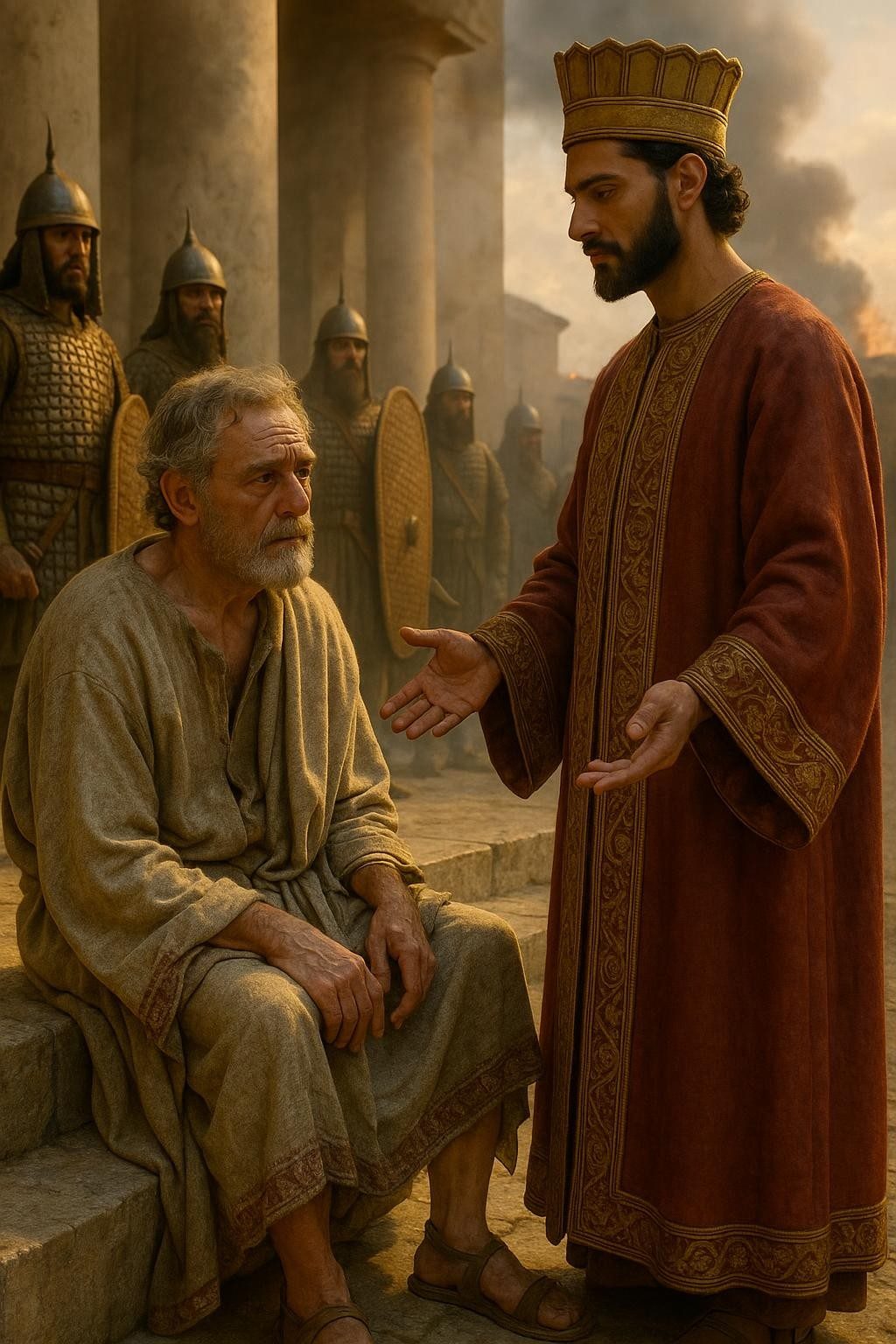
In 990 AD, at the heart of the Viking Age, the Althing—one of the world’s oldest parliaments—pronounced a solemn judgment that forever altered the life of one of Iceland’s most revered warriors, Gunnar Hamundarson. Condemned to exile, Gunnar's banishment was the culmination of escalating feuds and legal convictions. The Viking age legal system, with its fiercely practical yet rigid codes, often left men like Gunnar with few options: leave the land they cherished or face the consequences. Gunnar, known for his valor and fairness in battle, now faced a verdict designed not only to punish but also to protect the delicate balance of power within the Icelandic clans.
The Althing, not just a legal institution, was a reflection of the Icelandic spirit itself—assembly of free men determining their own laws amid the swirling mists of Þingvellir. For Gunnar, the sentence of exile was both a personal and public affair. His achievements on the battlefield were overshadowed by the cultural importance of laws designed to curb the chaos of vengeance and maintain fragile peace. Those who stood against him knew that his departure was the key to their ascendancy.
The Golden Hillside
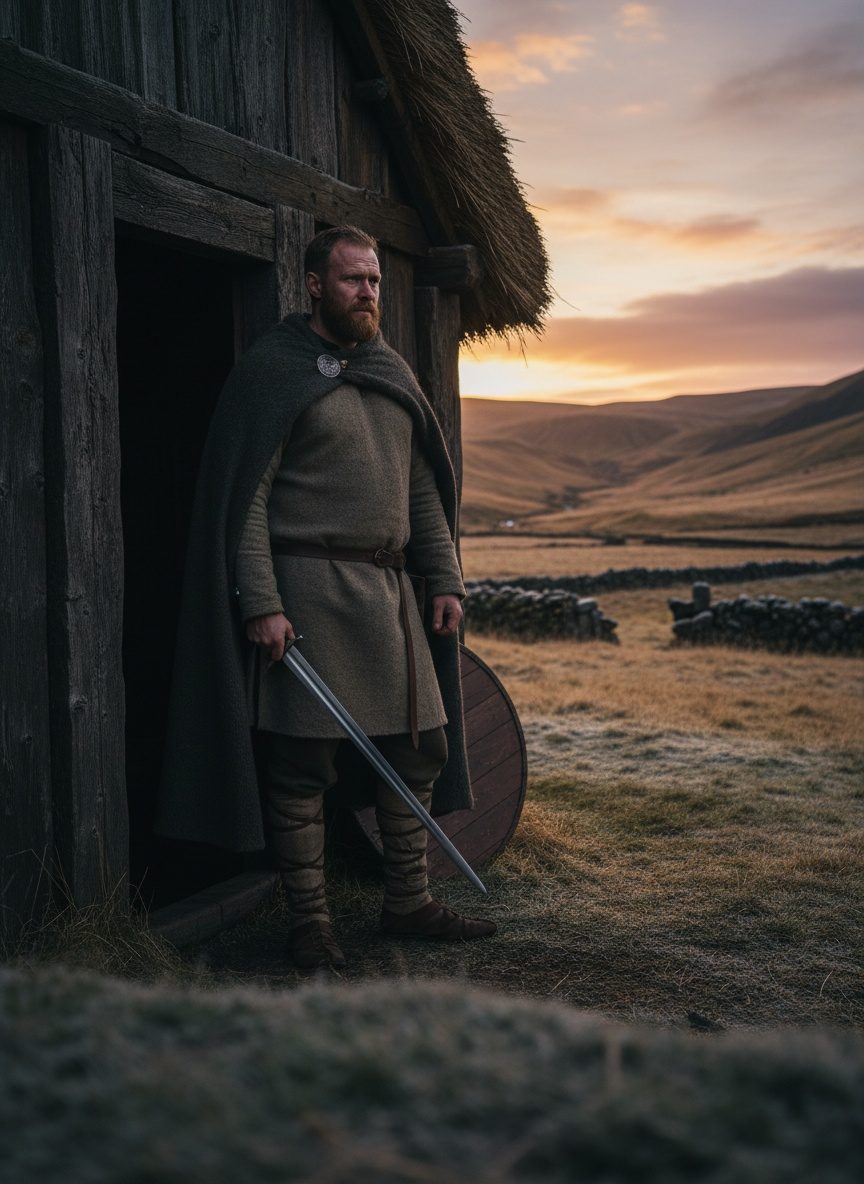
The night was closing in when Gunnar mounted his horse, his heart heavy but resolute. As he rode toward the distant coast, his thoughts lingered on the life he’d been forced to abandon. But it was the moment when he paused at the top of the hill that fate truly took its course. Below him, the golden autumn light bathed his beloved farm—a sight so breathtaking it was almost a promise of perpetual tranquility.
Gunnar’s decision to return, irrevocably turning his back on the path of exile, wasn’t merely an act of defiance. It was a visceral pull, an expression of deep-rooted belonging that tethered him to his ancestral land. Few among us could turn away from such a scene and walk into the unknown without regret. The landscape itself seemed to whisper assurances, and for Gunnar, those whispers commanded a loyalty greater than fear. His choice was a public secret—one spoken of in hushed tones and shared among the community with understanding and dread.
The Night of Reckoning
Gunnar’s homecoming did not go unnoticed. His enemies, with whom he had tangled in the intricate dance of vengeance and friendship, prepared for the inevitable. Under the cloak of darkness, their shadows cast long and menacing over the familiar earth—determined, insistent, and bent on seeing the Althing’s decree fulfilled.
As the night settled, Gunnar’s final confrontation unfolded not as a chaotic melee, but with a haunting inevitability that carried the weight of saga storytelling. Gunnar was aware that his decision had drawn his enemies like wolves to a struggle for survival, both physical and moral. Stories say that as they stormed the homestead, Gunnar stood firm, embodying the spirit of a hero who knows his end but faces it nonetheless with valor. His house became his final stronghold—a poignant image of the cyclic tragic narratives, where the hero's finest moment is also his downfall.
The Power of Choice
Gunnar Hamundarson’s story finds echoes in the way we reckon with our attachments and responsibilities. In choosing the familiar warmth of his golden hillside over the uncertainty of exile, Gunnar confronted his destiny with a very human blend of courage and longing. His defiance was not just towards his enemies or the Althing's decree but towards the very notion of being unmoored from one's place of belonging.
Though Gunnar met his fate in the inevitable clash that followed his return, his story endures in the sagas not just as a cautionary tale of legal codes and consequences, but as a vivid testament to the weight of choice and the anchor of home. His legacy is a reminder etched into Iceland’s rugged landscapes—sometimes the heart makes decisions the mind cannot comprehend, and in those moments, the past and present converge in a quiet but unyielding statement of identity.